
10 Tips for Choosing a Long Distance Charter Bus Rental
Choosing a Long Distance Charter Bus Rental is more than comparing hourly prices. A coach may look polished outside, yet its maintenance records, seating comfort, and emergency planning matter more. The American Bus Association Foundation’s Motorcoach Census estimates that motorcoaches serve about 600 million passenger trips annually in the United States. That scale reflects strong demand, but it also requires careful evaluation.
Peter Pantuso, former president and CEO of the American Bus Association, has said, “Motorcoaches are the most environmentally friendly form of transportation in America.” The U.S. Department of Energy’s Alternative Fuels Data Center also recognizes buses as an efficient option for group travel. Efficiency, however, does not guarantee a good trip. Small details can decide the experience.
Check the operator’s safety record and insurance coverage. Ask how often vehicles receive preventive maintenance. Inspect the coach’s interior, restroom, luggage space, and air-conditioning system. Confirm the number of seats, charging ports, Wi-Fi availability, and accessibility equipment. A wheelchair lift should not be treated as an afterthought.
Review driver qualifications, rest planning, pickup windows, and backup procedures. Delays happen. Communication matters more than optimistic promises. Read cancellation terms carefully, especially for weather disruptions or changing group sizes. A very low quote may conceal extra fees. That deserves attention.
No checklist is perfect. Some choices remain judgment calls. Still, these ten practical tips can reduce unpleasant surprises and help travelers choose a reliable Long Distance Charter Bus Rental for school tours, corporate journeys, family events, and multi-day group travel.

Define Your Long-Distance Charter Bus Travel Requirements
Before requesting quotes, define the trip in measurable terms. Count every passenger, including children, guides, and anyone joining late. Record pickup addresses, exact dates, departure times, return times, and planned stops. A route that looks simple online may involve mountain roads, event traffic, or narrow hotel entrances. Mark rest stops every two or three hours, especially for older travelers. Note luggage volume, sports equipment, wheelchairs, and medication-carrying needs. Small details affect vehicle size. They are not minor.
I once underestimated luggage for a weekend group. The aisle became crowded, and our schedule slipped. That mistake changed how I plan. Ask for a vehicle capacity chart, not just a passenger number. Confirm seat layout, climate control, charging outlets, Wi-Fi, restroom availability, and accessibility features in writing. Share a realistic itinerary with buffer time for loading and traffic. Request details about driver experience on comparable routes, commercial licensing, insurance, cancellation terms, and emergency procedures. If needs are uncertain, say so. A reliable operator should help test assumptions rather than promise everything. Keep one contact person and a printed itinerary. Digital plans can fail. Recheck the details several days before departure.
10 Tips for Choosing a Long Distance Charter Bus Rental
Define Your Long-Distance Charter Bus Travel Requirements
Vehicle capacity is one of the first requirements to define. Typical seating ranges help you compare bus sizes based on passenger count, luggage needs, accessibility requirements, and trip comfort.
Typical seating capacity varies by vehicle configuration. Confirm the exact seat count, luggage space, restroom availability, accessibility features, and driver-hour requirements before booking a long-distance charter bus.
Compare Bus Types, Passenger Capacity, and Onboard Features
Choosing a long-distance charter bus starts with matching the vehicle to the trip. A full-size coach suits large groups and offers better luggage space. A minibus may work better on narrow roads or for smaller parties. Do not book by seat count alone. A 40-seat bus feels crowded when every passenger carries a suitcase. Leave several seats open for comfort and unexpected guests. Count passengers, bags, and mobility needs separately. Then ask for the vehicle’s exact seating layout.
Onboard features can change the travel experience. Look for reclining seats, adjustable footrests, climate control, reading lights, and tinted windows. Wi-Fi is useful, but signal quality can vary across rural routes. Ask whether power outlets support every seat. Restrooms reduce stops, especially on overnight journeys. However, they require regular cleaning and may have limited space. Confirm the number of luggage bays and the permitted bag dimensions. Small details matter.
Safety and service records deserve equal attention. Request evidence of current inspections, commercial insurance, and driver qualifications. Ask how breaks, weather delays, and mechanical problems are handled. A clear answer shows operational preparation. I once underestimated storage needs for a group with sports equipment. The bus had enough seats, but loading took much longer than planned. Build extra time into the schedule. Review the cancellation terms, accessibility arrangements, and emergency communication process before paying a deposit.
Verify Rental Companies, Safety Records, and Driver Qualifications
A long-distance charter bus trip begins with checking the company, not admiring its website. Request the company’s registered operating name, insurance certificate, and current safety inspection records. Confirm that the records cover the vehicle assigned to your group. Review recent inspection dates, reported crashes, unresolved violations, and corrective actions. A clean record is reassuring, but it is not absolute proof of quality. Ask clear questions.
Verify each driver’s appropriate commercial license, medical qualification, training history, and long-distance driving experience. Ask how the company checks fatigue, schedules rest periods, and handles emergency communication. A qualified driver should understand route hazards, winter weather, mountain roads, and passenger evacuation procedures. Verify important claims through official transportation databases or the relevant local authority. Do not rely on verbal promises.
Before paying, read the contract carefully. It should identify the vehicle class, replacement policy, insurance responsibilities, and cancellation terms. If possible, inspect the bus in person. Check tire condition, seat belts, emergency exits, interior lighting, fire extinguishers, and visible maintenance labels. A spotless cabin can hide neglected mechanical work. Even careful planners miss details when deadlines feel tight. I would rather postpone a booking than ignore one unclear safety answer. Request written responses and keep every record with the trip documents.
| Tip | Evaluation Area | Potential Warning Signs | ||
|---|---|---|---|---|
| 1 | Confirm Legal Authority |
Verify that the carrier holds the operating authority required for the planned interstate or intrastate service. For U.S. interstate trips, check the carrier’s public profile in the Federal Motor Carrier Safety Administration (FMCSA) Safety and Fitness Electronic Records system.
Verify before booking
|
Is the company legally authorized to provide this type of passenger transportation? Can the carrier provide its official operating identification information? | The company will not disclose its legal operating details, gives inconsistent information, or appears to operate under another carrier’s authority without clearly explaining the arrangement. |
| 2 | Review Safety Records |
Review publicly available inspection, crash, and out-of-service information where applicable. Consider the pattern and recency of the records rather than relying on a single score or isolated incident.
Check recent records
|
What is the company’s recent safety history? How does it address vehicle defects, preventable collisions, or regulatory violations? | Repeated serious violations, unresolved safety concerns, unusually high out-of-service activity, or refusal to discuss corrective actions. |
| 3 | Verify Driver Qualifications |
Confirm that drivers hold the correct commercial driver’s license and passenger endorsement for the vehicle and service. Ask whether required medical qualification, training, and qualification-file checks are current.
Match driver to vehicle
|
Will qualified drivers be assigned to the trip? Are license status, medical certification, employment history, and required background checks reviewed? | The company cannot identify who is responsible for driver qualification, plans to use an unapproved substitute, or treats passenger endorsement requirements as optional. |
| 4 | Check Hours-of-Service Planning |
Request a written driving and rest plan that accounts for applicable hours-of-service rules, required breaks, traffic, weather, and realistic travel time. Long trips may require relief drivers or an overnight stop.
Prioritize fatigue prevention
|
How many drivers will be assigned? Where are planned rest periods, driver changes, and overnight accommodations located? | Promises of unusually short travel times, pressure to skip breaks, or a schedule that leaves no allowance for legally required rest. |
| 5 | Inspect Vehicle Condition |
Ask for the approximate vehicle age, maintenance schedule, recent inspection documentation, seating capacity, and accessibility features. Confirm that the assigned vehicle—not merely a sample vehicle—matches the description.
Inspect when possible
|
How often are preventive maintenance and safety inspections performed? What happens if the assigned vehicle becomes unavailable before departure? | Vague vehicle descriptions, no backup plan, visible tire or body damage, malfunctioning safety equipment, or a vehicle that differs materially from the agreement. |
| 6 | Confirm Safety Equipment |
Verify the presence and working condition of seat belts where installed, emergency exits, fire extinguishers, first-aid supplies, interior lighting, mirrors, and required warning equipment.
Review before departure
|
What emergency equipment is carried? Are passengers shown the emergency exits and evacuation procedures before the trip begins? | Blocked exits, missing equipment, damaged seat belts, unclear emergency procedures, or staff who cannot explain how safety equipment is checked. |
| 7 | Validate Insurance Coverage |
Request a current certificate of insurance and confirm that coverage applies to charter passenger transportation, the relevant vehicle, and the planned operating area. Review liability limits with an insurance or legal adviser when appropriate.
Obtain written proof
|
What liability and passenger-protection coverage is maintained? Who is the insurer, and can coverage be verified directly through official documentation? | Expired certificates, coverage that excludes charter operations, unusually low limits for the group’s needs, or pressure to rely only on verbal assurances. |
| 8 | Read the Contract Carefully |
Review the written agreement for vehicle type, passenger capacity, pickup locations, mileage or time limits, taxes, tolls, driver lodging, cancellation terms, deposits, refunds, accessibility commitments, and substitution rules.
Get every promise in writing
|
What is included in the quoted price? Under what conditions can the price, vehicle, schedule, or pickup arrangement change? | Large unexplained fees, blank contract sections, automatic substitutions without notice, unclear cancellation rules, or a quote that excludes essential trip costs. |
| 9 | Assess Emergency Support |
Confirm that the operator provides a 24-hour contact method, roadside assistance process, incident-reporting procedure, and replacement-vehicle plan for breakdowns, severe weather, or other disruptions.
Prepare for disruptions
|
Who can be reached outside business hours? How quickly can assistance or a suitable replacement vehicle be provided on a remote route? | Only one unreachable contact, no documented breakdown procedure, no escalation process, or unrealistic guarantees about avoiding all delays. |
| 10 | Compare Value and Independent Feedback |
Compare at least two written, like-for-like quotations. Check recent independent reviews, complaint patterns, references from comparable groups, response quality, and whether the quoted service matches the final contract.
Compare fairly
|
Are the vehicles, driver hours, insurance, taxes, tolls, and cancellation terms comparable across quotes? Can the operator provide recent references for similar long-distance trips? | A price far below comparable quotes without a clear reason, repeated unresolved complaints, copied reviews, or reluctance to provide references or a detailed estimate. |
Review Pricing, Contracts, Insurance, and Additional Fees
10 Tips for Choosing a Long Distance Charter Bus Rental
A low quote can look attractive until extra charges appear. Ask whether the price includes fuel, tolls, parking, and driver lodging. Request an itemized estimate. It should show the hourly rate, mileage rate, taxes, and payment schedule. Compare complete trip costs, not just the advertised base price.
Read the contract before paying a deposit. Check pickup times, route changes, cancellation deadlines, refund terms, and breakdown procedures. Confirm who pays for extra waiting time. A delayed flight or wedding schedule can change the final bill quickly. Ask whether the company can provide a replacement vehicle if a mechanical problem occurs. This detail is easy to miss.
Insurance deserves direct questions. Request proof of current commercial liability coverage and confirm the policy limits in writing. Ask whether passengers, luggage, and roadside assistance are covered. Requirements may vary by location, so independent verification is sensible. Do not rely only on a salesperson’s explanation.
Inspect the list of additional fees carefully. Common charges include cleaning, overnight parking, tolls, city permits, and accessibility equipment. Some contracts use vague wording, such as “operational expenses.” That phrase needs clarification. I would also ask for the final invoice format. Small surprises matter. A written answer is safer than a friendly promise. One imperfect habit is accepting a quote too quickly. Taking ten extra minutes to question every fee can prevent an expensive disagreement later.
Confirm the Route, Schedule, Accessibility, and Customer Support
10 Tips for Choosing a Long Distance Charter Bus Rental
Tip 1: Confirm every stop, road restriction, and border requirement before requesting a quote. A route that looks simple online may include mountain roads or limited rest areas.
Tip 2: Ask whether the driver follows planned rest breaks. Long journeys require realistic travel times, not optimistic estimates.
Tip 3: Request a written schedule with pickup windows, meal stops, and arrival targets. Leave space for traffic delays.
Tip 4: Check whether schedule changes can be handled without expensive penalties. My planning mistake once was allowing no buffer after a delayed departure.
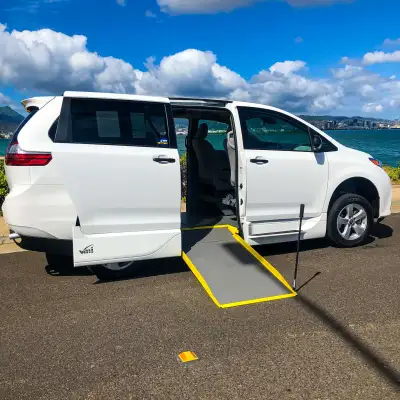
Tip 5: Describe accessibility needs clearly, including wheelchair space, lift access, and boarding assistance. Do not assume every accessible vehicle has the same interior layout.
Tip 6: Ask about restroom access and comfortable seating for older travelers. Small details matter after six hours on the road.
Tip 7: Confirm luggage capacity for mobility equipment and personal bags. Measure large items when possible.
Tip 8: Request vehicle photos or an inspection before booking. Photos can hide narrow aisles, so ask direct questions.
Tip 9: Test customer support before paying. Send a detailed question and note the response time.
Tip 10: Confirm who answers urgent calls during travel, including evenings and weekends. Keep the dispatcher’s number offline. Reliable support should explain delays, vehicle substitutions, and emergency procedures calmly. I have learned that vague answers are not always proof of poor service, but they deserve closer review. Reliability is built through specific promises, written records, and careful follow-up.
Related Posts
-
What Is Bus Rental and How Does It Work?
-

10 Best Motor Coach Rental Companies Worldwide?
-

Top 10 Long Distance Charter Bus Rental Companies
-

Why Choose Travel Bus Rental for Your Next Group Trip?
-

Maximize Your Business Opportunities: Travel Bus Rental Trends at the 137th Canton Fair
-

10 Bus Rental Tips for Global Buyers