What Is Bus Rental and How Does It Work?
Bus Rentals offer a practical way to move groups without coordinating many private cars. A customer chooses a vehicle, travel date, pickup points, and passenger capacity. The rental company then confirms availability, pricing, and service details. Depending on the trip, options may include minibuses, charter buses, school buses, or luxury coaches.
The process is fairly simple. You request a quote, share your itinerary, and review the contract. The price may depend on mileage, rental hours, vehicle size, seasonal demand, parking, tolls, and driver requirements. Many professional companies provide a trained driver, especially for longer journeys. Before departure, responsible operators should explain luggage limits, emergency procedures, accessibility features, and cancellation terms. Small details matter.
Peter Pantuso, a recognized motorcoach industry leader and former president of the American Bus Association, has said, “Motorcoaches are the most environmentally friendly way to travel.” That view reflects one major benefit of group transportation. Fewer vehicles can reduce road congestion and fuel use per passenger. Still, an attractive quote does not guarantee a good experience. I would carefully check maintenance practices, insurance documentation, customer reviews, and the company’s communication before booking.
A well-planned rental should feel organized from the first phone call to the final drop-off. Yet plans can change. Weather, traffic, delayed flights, or an underestimated schedule may affect the journey. Clear communication helps manage those problems. In this guide, we will explain how Bus Rentals work, what they usually cost, and how to choose a reliable provider.

What Is Bus Rental?
Bus rental is a transportation service where a customer reserves a vehicle for a specific trip, date, and route. The rental may include a professional driver, depending on the vehicle type and local regulations. Customers usually share their pickup address, passenger count, luggage needs, schedule, and preferred amenities.
The process is practical but not automatic. A rental operator checks vehicle availability, confirms the itinerary, and provides a price based on distance, hours, tolls, staffing, and waiting time. A written agreement should explain cancellation rules, overtime charges, insurance responsibilities, and accessibility arrangements. The American Bus Association Foundation’s 2023 Motorcoach Census reported that the industry generated about 119 billion dollars in economic activity and supported roughly 1.4 million jobs. That figure shows the service’s wider role in tourism, education, and group travel.
Tips: Request a detailed quote. Confirm the total passenger capacity. Ask about luggage space and wheelchair access. Keep a small time buffer. Traffic is unpredictable. My own caution is simple: the cheapest quote may exclude waiting time or required fees. Check those details before paying a deposit. Reliable operators should explain safety procedures, driver qualifications, maintenance practices, and emergency contacts clearly. Times can still shift, especially near airports, stadiums, or busy event venues.
What Is Bus Rental and How Does It Work?
Bus rental is a transportation service in which a vehicle is reserved for a specific route, date, time, and passenger group. The chart shows representative seating capacities for common rental bus types. Actual capacity can vary by vehicle layout, accessibility equipment, and local regulations.
How Does the Bus Rental Process Work?
Bus rental is a practical way to move groups without coordinating many private cars. The process usually begins with a clear travel request. Share the passenger count, travel dates, pickup points, destination, luggage needs, and preferred vehicle size. A simple route can need less planning than a multi-stop trip.
I once underestimated how much time boarding could take. That mistake taught me to include extra minutes at busy locations.
After receiving your details, the rental provider checks vehicle availability, driver scheduling, route distance, parking conditions, and local transport requirements. You should request a written quote that separates the base rate, driver hours, mileage, fuel, parking, tolls, taxes, and possible overtime. Ask about insurance coverage and accessibility features too.
Once the vehicle and price fit your needs, you review the service agreement carefully. It should list cancellation terms, payment dates, pickup instructions, passenger limits, and emergency contact procedures. A deposit may confirm the reservation. Before departure, confirm the bus number, driver contact, meeting location, and final schedule. Keep one contact person responsible for updates. Small details matter. On travel day, the driver normally checks the route, vehicle condition, passenger capacity, and safety equipment before leaving. Still, schedules can change because of traffic or weather. Leave room for delays, and avoid assuming every stop will be quick.
What Types of Buses Are Available for Rent?
Bus rental means hiring a vehicle with or without a professional driver for a scheduled journey. The right choice depends on distance, group size, luggage, accessibility, and road conditions.
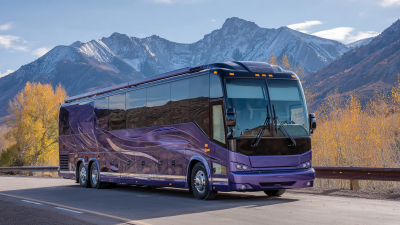
A full-size motorcoach usually carries 40 to 56 passengers, with reclining seats, overhead storage, climate control, and sometimes restrooms. It suits conferences, long-distance tours, and airport transfers. According to the American Public Transportation Association’s 2024 Public Transportation Fact Book, buses carried about 5.5 billion passenger trips in the United States during 2022. That scale shows why vehicle capacity and operating efficiency matter.
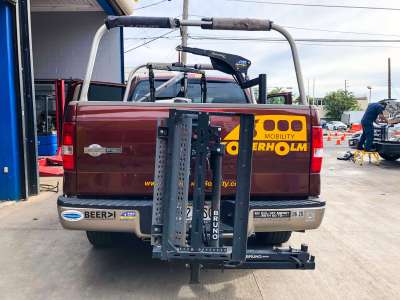
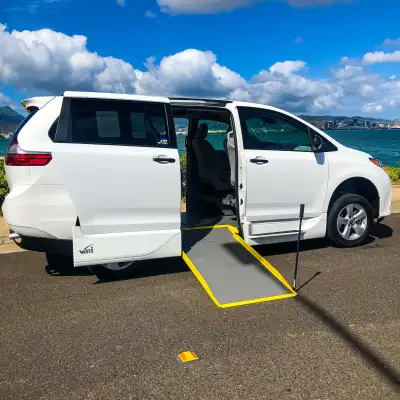
Smaller groups often choose minibuses, which commonly seat 15 to 35 passengers. They work well for hotel shuttles, weddings, local sightseeing, and narrow city streets. Shuttle buses offer quick boarding and frequent stops, but usually provide less luggage space. School buses can handle large groups economically, although comfort, storage, and climate control may be limited. Accessible buses include lifts, ramps, secure wheelchair areas, and wider aisles. That distinction matters.
The National School Transportation Association reports that school buses transport roughly 25 million children daily in the United States. Passenger needs should guide the vehicle, not appearance alone. A common planning mistake is trusting the advertised seat count. Real capacity falls when passengers bring suitcases, mobility equipment, or bulky event materials. I would verify interior measurements, driver hours, insurance coverage, and accessibility features before booking. Small details matter.
What Factors Affect Bus Rental Costs?
Bus rental is a practical transport service for weddings, school trips, conferences, and group tours. A provider supplies the vehicle, a qualified driver, and planned transportation. The final price depends on more than distance. A 45-seat coach traveling 180 miles may cost differently from the same coach used for ten hours in city traffic.
Vehicle size is a major factor. Larger coaches usually require more fuel, maintenance, and parking space. The 2023 Motorcoach Census, prepared by the ABA Foundation and DePaul University, reports a large U.S. motorcoach fleet serving millions of passengers annually. This scale does not create one standard price. Local supply, vehicle age, accessibility features, and seasonal demand still matter. Weekend dates and graduation periods often increase hourly or daily rates.
Driver time can change the quote quickly. Under U.S. Federal Motor Carrier Safety Administration rules, drivers generally need a 30-minute break after eight hours of driving and ten consecutive hours off duty. A long trip may therefore require relief drivers, lodging, or an overnight stay. Tolls, parking, cleaning, permits, fuel changes, and deadhead mileage may also appear separately. Ask for an itemized estimate. Mileage alone is misleading. I have noticed that customers sometimes compare only the headline rate, then overlook a return trip with no passengers. That comparison needs reconsideration. Pricing also varies by region, and published reports cannot replace a written local quote.
How Can Travelers Choose the Right Rental Bus?
Choosing the right rental bus starts with the group, route, and luggage needs. A 20-seat minibus may suit a short city transfer, while a full-size coach offers better comfort for long journeys. Count every traveler, including children and guides. Then add space for suitcases, sports equipment, or folded wheelchairs.
Review the bus’s age, safety inspection records, seat belts, air conditioning, and accessibility features. Ask whether the driver is properly licensed and familiar with the planned route. A reliable rental provider should explain pricing, fuel charges, waiting time, insurance, and cancellation terms clearly. Confirm the pickup location, departure time, and emergency contact in writing. Small details matter. A larger bus can feel safer, but it may struggle on narrow mountain roads. Many travelers overlook this point. Check road conditions, parking limits, and restroom needs before choosing.
Tips: Request recent interior photos, not only exterior images. Compare the actual passenger capacity with your group size. Keep two or three spare seats for comfort. Test the booking process with specific questions; vague replies may signal future confusion. Ask about backup arrangements if the vehicle develops a problem. Also, check accessibility personally when possible, because a written description may not show steep steps or limited aisle space.
What Is Bus Rental and How Does It Work? How Can Travelers Choose the Right Rental Bus?
| Bus Type |
Typical Passenger Capacity |
Typical Luggage Capacity |
Common Features |
Best Use Cases |
Key Selection Considerations |
| Minibus |
8–25 passengers |
Limited to moderate luggage space |
Compact size, easier access to narrow streets, basic seating, air conditioning in many vehicles |
Small groups, airport transfers, short city trips, private tours |
Choose a vehicle with enough seat capacity and dedicated luggage space if travelers carry suitcases. |
| Mid-size Bus |
26–35 passengers |
Moderate luggage capacity |
More seating than a minibus, overhead storage, air conditioning, improved ride comfort |
School trips, family reunions, corporate outings, regional sightseeing |
Check the balance between passenger numbers, luggage volume, road access, and travel distance. |
| Full-size Coach |
36–56 passengers |
Large underfloor luggage compartments |
High seating capacity, reclining seats, air conditioning, restroom availability on some vehicles |
Long-distance tours, large group transfers, conferences, multi-day travel |
Confirm luggage limits, onboard facilities, accessibility needs, and driver rest requirements for longer journeys. |
| Double-Decker Bus |
50–90 passengers, depending on configuration |
Usually moderate luggage capacity |
Two passenger levels, high capacity, panoramic views on some layouts |
Large sightseeing groups, event transportation, high-volume urban transfers |
Verify height restrictions, route access, passenger loading procedures, and the availability of accessible seating. |
| Accessible Bus |
Varies by vehicle layout |
Varies according to wheelchair capacity and interior configuration |
Wheelchair ramp or lift, securement areas, priority seating, accessible entrance |
Groups that include wheelchair users or travelers with reduced mobility |
State the number and dimensions of mobility devices in advance and confirm boarding equipment and securement procedures. |
| Shuttle Bus |
10–35 passengers |
Small to moderate luggage capacity |
Frequent-stop design, quick boarding, practical interior layout |
Hotel transfers, parking shuttles, venue transportation, airport connections |
Evaluate boarding frequency, stop locations, luggage handling, and the time required for each passenger transfer. |
How Bus Rental Works and What Travelers Should Check
| Rental Stage |
What Happens |
Information Travelers Should Provide |
Important Questions to Ask |
| 1. Define the Trip |
The group identifies the route, travel dates, stops, passenger count, and expected schedule. |
Origin, destination, stop list, travel dates, departure times, passenger ages, and estimated mileage |
Are there parking restrictions, low-clearance areas, toll roads, or restricted-access streets? |
| 2. Select the Vehicle |
A bus is matched to the group size, luggage needs, route conditions, and comfort expectations. |
Number of passengers, number of suitcases, carry-on items, mobility devices, and special equipment |
Does the vehicle have enough seats, storage, climate control, and accessibility features? |
| 3. Confirm the Quote |
The rental price is calculated according to factors such as duration, distance, vehicle type, driver service, and route complexity. |
Full itinerary, expected driving hours, overnight requirements, pickup details, and requested amenities |
Are fuel, tolls, parking, driver meals, lodging, taxes, and overtime included or charged separately? |
| 4. Review the Agreement |
The traveler reviews the booking terms, cancellation policy, payment schedule, insurance information, and service responsibilities. |
Authorized contact details, billing information, emergency contact, and signed itinerary |
What happens if the trip is delayed, the vehicle becomes unavailable, or the passenger count changes? |
| 5. Prepare for Pickup |
The group receives pickup instructions and confirms the meeting point, boarding time, and luggage procedures. |
Exact pickup location, group leader contact, passenger manifest if required, and accessibility requirements |
Where can the bus legally wait, and how early should passengers arrive before departure? |
| 6. Complete the Trip |
The driver follows the agreed route while travelers observe safety instructions and scheduled rest breaks. |
Updated traffic information, changes to the itinerary, and emergency contact details |
Are driving-hour limits, rest breaks, and passenger safety procedures being followed? |
Quick Decision Guide for Choosing the Right Rental Bus
| Traveler Requirement |
Recommended Direction |
Why It Matters |
Final Check |
| Small group with minimal luggage |
Minibus |
A smaller vehicle can be easier to maneuver and may avoid paying for unused seating capacity. |
Confirm that passenger seats and luggage compartments are sufficient. |
| Large group traveling with suitcases |
Full-size coach |
Underfloor storage is generally more suitable for substantial luggage than overhead racks alone. |
Ask about the usable luggage volume and any per-passenger baggage limits. |
| Long journey requiring comfort |
Coach with comfort features |
Reclining seats, climate control, rest breaks, and smoother long-distance travel can improve the experience. |
Verify seat spacing, restroom availability, and the planned break schedule. |
| Travelers with mobility requirements |
Accessible bus |
Ramps, lifts, securement areas, and suitable boarding space help make the trip safer and more inclusive. |
Confirm compatibility with each wheelchair or mobility device before booking. |
| Frequent short-distance stops |
Shuttle or minibus |
Smaller vehicles can support faster boarding and easier access at multiple stops. |
Check whether the vehicle can legally stop at every planned location. |
| Urban route with narrow streets or height limits |
Compact vehicle |
Vehicle dimensions affect access, turning space, parking, and route feasibility. |
Review the route for width, height, weight, and loading-zone restrictions. |