
10 Bus Rental Tips for Global Buyers
Choosing a reliable bus provider across borders is rarely as simple as comparing daily rates. Global buyers must examine vehicle condition, operator experience, insurance coverage, driver qualifications, accessibility features, and emergency support. A polished website can hide weak maintenance records. The lowest quote may also exclude tolls, fuel, parking, or waiting time.
Peter Pantuso, a respected motorcoach industry leader and former American Bus Association president, has emphasized, “Safety is not an option; it is the foundation of motorcoach travel.” That principle guides this practical introduction to Bus Rentals for international buyers. Every recommendation should connect with verifiable evidence, including inspection documents, customer references, licensing details, and clear contract terms. Ask direct questions. Request written answers.
Real planning also means studying the journey itself. A 40-seat coach may suit an airport transfer, but narrow village roads could require a smaller vehicle. A luxury interior means little if luggage space is inadequate. Wheelchair access, multilingual coordination, child seating, and climate control deserve attention before payment.
This guide, “10 Bus Rental Tips for Global Buyers,” focuses on decisions that reduce costly surprises. It covers supplier screening, transparent pricing, safety checks, cross-border coordination, and service reliability. No checklist removes every uncertainty. We may still overlook a local restriction or underestimate travel time. That is why careful buyers leave room for review, confirmation, and correction. Good Bus Rentals planning is not about finding perfection. It is about making informed choices with dependable information.

Define Your Bus Rental Needs and Travel Requirements
10 Bus Rental Tips for Global Buyers
Define Your Bus Rental Needs and Travel Requirements
A successful bus rental begins with a clear travel brief. Record the passenger count, luggage volume, route length, and expected travel dates. A 45-seat coach may suit an airport transfer, but not a narrow mountain route. Measure the largest suitcase, too. Details matter.
Describe every planned stop, including hotels, venues, rest areas, and border crossings. Share road conditions and parking limits with the rental provider. Experienced operators can then recommend a suitable vehicle size, seating layout, and luggage capacity. Ask about wheelchair access, child seating, climate control, and onboard restrooms when relevant. These details affect comfort and scheduling.
Build the plan around real travel behavior, not an ideal timetable. Passengers need time to board, collect bags, and find meeting points. Keep it realistic. Add reasonable breaks for long journeys, especially with older travelers or children. I have seen schedules fail because a ten-minute loading estimate ignored twenty large bags. That mistake is easy to repeat.
Request a written quotation that identifies mileage, driver hours, waiting time, fuel terms, tolls, parking fees, taxes, and cancellation conditions. Confirm the pickup address using landmarks and local time. Ask how delays are handled and who provides support during the trip. Requirements can change, so review the plan again before payment and before departure.
10 Bus Rental Tips for Global Buyers - Define Your Bus Rental Needs and Travel Requirements
| No. | Planning Dimension | What to Define | Practical Guidance for Global Buyers |
|---|---|---|---|
| 1 | Passenger Count | Confirm the number of adults, children, tour leaders, and support staff. | Select a vehicle with enough approved seats for every traveler. Typical categories include minibuses for about 8–20 passengers, midibuses for approximately 21–35 passengers, and full-size coaches for roughly 36–60 passengers. Capacity varies by vehicle and local regulations. |
| 2 | Trip Type and Route | Identify whether the journey is a city transfer, airport transfer, sightseeing tour, school trip, event shuttle, or long-distance itinerary. | Share the complete route, estimated distance, road conditions, border crossings, parking locations, and planned stops. A vehicle suitable for urban streets may not be ideal for mountain roads or extended highway travel. |
| 3 | Travel Schedule | Provide exact pickup times, daily operating hours, overnight dates, waiting periods, and return requirements. | A detailed schedule helps the rental provider calculate driving time, driver duty limits, waiting charges, and overnight accommodation requirements. Allow additional time for traffic, border controls, weather, and passenger boarding. |
| 4 | Luggage and Equipment | Estimate suitcase quantities, carry-on bags, sports equipment, musical instruments, strollers, or trade-show materials. | Seat capacity does not equal luggage capacity. Request the usable luggage-compartment volume and loading dimensions, especially when every passenger has a large suitcase or when bulky equipment must be transported. |
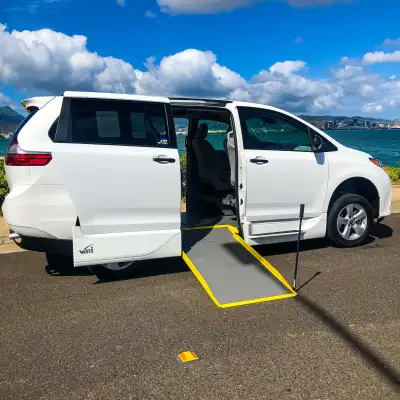
| 5 | Accessibility Requirements | State whether travelers need wheelchair access, step-free boarding, handrails, priority seating, or other mobility assistance. | Ask for the lift or ramp type, wheelchair restraint positions, doorway width, aisle clearance, and maximum supported wheelchair size. Accessibility features should be confirmed before payment because they are not available on every vehicle. |
| 6 | Comfort and Onboard Features | Define the required level of comfort, such as air conditioning, reclining seats, seat belts, Wi-Fi, USB charging, restroom access, or a microphone. | Prioritize features according to trip length and passenger profile. For long-distance travel, individual air vents, adequate legroom, climate control, luggage space, and a functional restroom may be more important than entertainment features. |
| 7 | Driver and Language Support | Clarify whether a professional driver is required and identify preferred communication languages. | Confirm driver licensing, experience with the route, local navigation knowledge, communication arrangements, and replacement-driver procedures. For international itineraries, verify who handles permits, tolls, border procedures, and local transport rules. |
| 8 | Rental Cost Structure | Request a breakdown of the base rate, mileage, hourly charges, driver costs, fuel, tolls, parking, taxes, cleaning, and overnight expenses. | Compare quotations on the same basis. Check whether the price is calculated per day, per hour, per kilometer, or by route. Ask about overtime, waiting time, cancellation terms, deposits, currency conversion, and payment deadlines before signing. |
| 9 | Safety and Compliance | Verify vehicle condition, seat-belt availability, maintenance records, insurance coverage, emergency equipment, and required operating permits. | Request documentation appropriate to the destination, including passenger liability coverage and legally required inspections. Confirm that the vehicle meets local standards for passenger transport and that emergency contact procedures are available during the trip. |
| 10 | Contingency Planning | Prepare for delays, vehicle breakdowns, severe weather, missed connections, passenger changes, and route disruptions. | Include a clear breakdown-response plan, replacement-vehicle conditions, emergency contact numbers, refund or credit rules, and procedures for changing passenger numbers or pickup locations. Keep the final itinerary and passenger list accessible to the group coordinator. |
Planning note: Vehicle capacities, driver-hour limits, insurance requirements, accessibility standards, road restrictions, and rental taxes differ by country and route. Confirm all details with the local transport provider and the relevant authorities before finalizing the booking.
Related Posts
-

Top 10 Long Distance Charter Bus Rental Companies
-

Why Choose Travel Bus Rental for Your Next Group Trip?
-

Maximize Your Business Opportunities: Travel Bus Rental Trends at the 137th Canton Fair
-

Understanding Travel Bus Rental: A Comprehensive Guide to Rental Options and Benefits
-
Explore the Freedom of Journey: Affordable Tour Bus Rental Services for Your Next Adventure!
-

Essential Tips for Efficient Bus Transportation Worldwide?