Why Choose a Party Van Rental for Your Event?
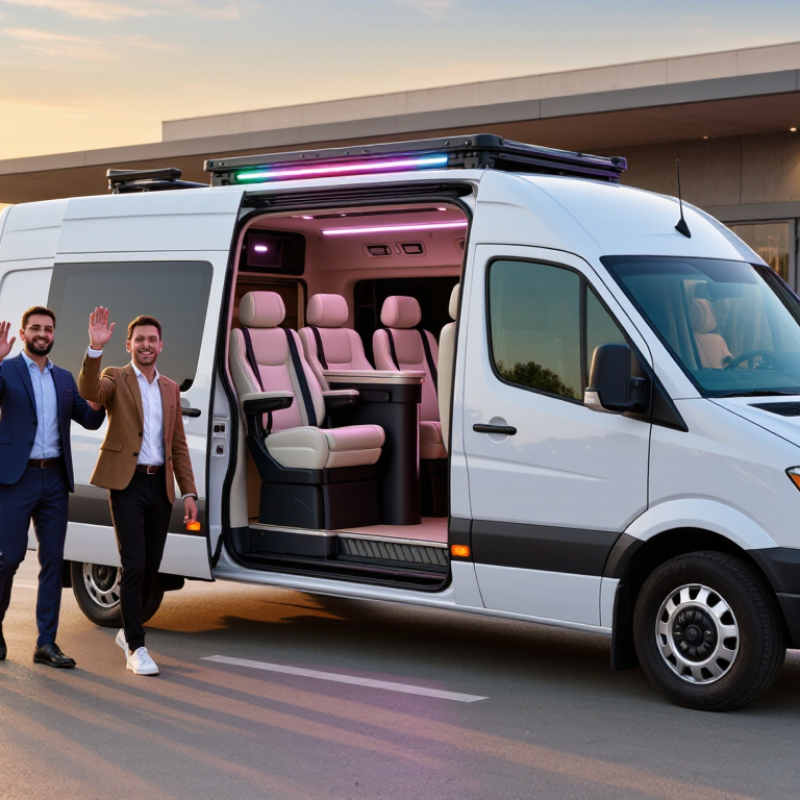
Choosing the right transportation can shape the entire atmosphere of an event. A Party Van Rental combines comfortable travel, social energy, and practical coordination in one moving space. Guests can meet at one pickup point, settle into cushioned seats, and enjoy music through a professionally installed sound system. The journey becomes part of the celebration, not merely a trip between locations.
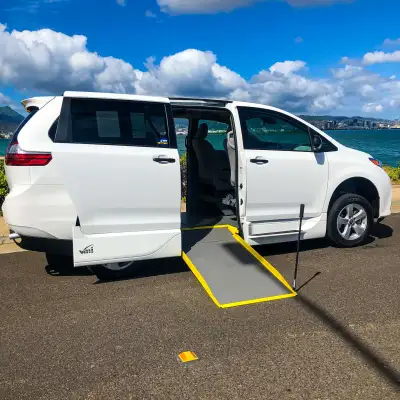
Experienced event planners often use party vans for birthdays, weddings, corporate gatherings, and milestone celebrations. A reliable provider should offer clear pricing, verified insurance, trained drivers, and vehicles that meet local safety requirements. Ask about passenger capacity, seat belts, climate control, accessibility, cleaning standards, and emergency procedures. Small details matter. A late vehicle can disrupt an entire schedule.
A Party Van Rental also helps hosts manage timing more effectively. Guests can travel together while the driver focuses on safe navigation and parking. This reduces confusion at crowded venues and limits the need for multiple private vehicles. Still, a party van is not a perfect solution. Limited storage, traffic delays, or uneven road access may affect the experience. Weather can change plans quickly. Thoughtful planning remains essential.
The best choice depends on your guest list, route, event length, and comfort expectations. Compare vehicle photos with the actual model offered. Read recent customer reviews. Confirm every detail in writing before booking. With careful preparation and a reputable operator, the ride can feel polished, welcoming, and memorable from the first mile. Even then, leave room for surprises. That is part of hosting.
Party Van Basics: Typical 10–14-Seat Configurations in Rental Fleets
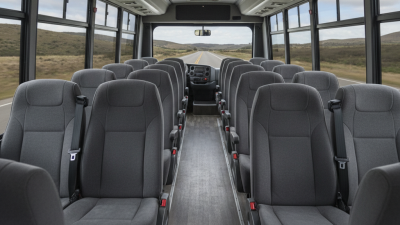
A 10–14-seat party van usually has forward-facing seats in several rows, but the exact arrangement varies by vehicle. Some cabins have a wider aisle; others use bench seats to fit more people. Count every seat, including the driver’s, and confirm how the rental company defines its capacity. Small detail. It matters when your group arrives with coats, coolers, or instrument cases. A full cabin can leave little room for bags, even when every passenger has a seat.
NHTSA’s 15-Passenger Van Safety guidance reports that vans carrying 10 or more occupants are about three times more likely to roll over than those carrying fewer than five. That finding concerns 15-passenger vans, not every 10–14-seat rental, but it shows why head count and loading deserve attention. Ask for the exact seating diagram, seat-belt positions, and luggage capacity before booking. A seat count is not the whole picture. I can see how easy it is to underestimate the space that bags take up. Check the layout against your actual group, not an idealized one.
Why Choose a Party Van Rental? Typical 10–14-Seat Configurations
Illustrative seating capacities commonly offered in passenger-van rental fleets. Actual layouts and usable passenger capacity vary by vehicle and luggage requirements.
At a glance: A 10-seat configuration may suit smaller groups, while 12- and 14-seat options can accommodate larger parties. Check the rental vehicle’s seat-belted passenger capacity and luggage space before booking.
Group-Travel Efficiency: BTS Reports 1.5 Occupants per Vehicle Trip
Why Choose a Party Van Rental for Your Event?
The U.S. Bureau of Transportation Statistics reports about 1.5 occupants per vehicle trip. This figure covers many everyday journeys, including commuting and errands. It also reveals an overlooked event-planning problem: several guests may travel separately in half-empty cars.
A party van rental can place one coordinated group in one vehicle. Guests arrive together, share the route, and avoid repeated parking searches. For a birthday dinner, wedding transfer, or corporate outing, that change feels practical. One driver follows the schedule, while passengers enjoy conversation instead of checking directions. The arrangement may also reduce curbside congestion around busy venues.
The data is useful, but not perfect. Average occupancy does not predict every event. A van can become inefficient when guests live far apart or leave at different times. Route planning still matters. According to the U.S. Department of Transportation’s National Household Travel Survey, trip purpose and household patterns strongly influence vehicle use. That supports a measured choice, not an automatic one.
Tips: Confirm passenger numbers early. Map pickup points by neighborhood. Leave space for coats and small bags. Ask about accessibility before booking. Build extra time into the route; city traffic rarely respects a beautiful itinerary. A slightly smaller vehicle may work better than an oversized one. That is an easy detail to miss.
Paid Interstate Rentals: FMCSA Rules for Vehicles Carrying 9+ Passengers
Why Choose a Party Van Rental for Your Event?
Paid Interstate Rentals: FMCSA Rules for Vehicles Carrying 9+ Passengers
A party van can keep guests together and simplify pickups. But when a paid trip crosses state lines, passenger count matters. FMCSA generally applies commercial passenger-carrier rules to for-hire interstate vehicles designed or used to carry nine or more people, including the driver. The American Bus Association Foundation’s 2023 Motorcoach Census estimated 77.1 million motorcoach passenger trips in 2022. That figure is not specific to party vans, but it shows how many travelers rely on passenger transport.
For qualifying operations, carriers generally need FMCSA operating authority and must meet federal insurance minimums. Under FMCSA rules, the minimum is $1.5 million for vehicles carrying 15 or fewer passengers, including the driver, and $5 million for vehicles carrying 16 or more. Who counts as the carrier can depend on the arrangement: renting a vehicle without a driver is not the same setup as hiring transportation. The paperwork can feel secondary to the playlist and pickup time. It isn’t. Confirm responsibilities before booking.
Tips: Ask who holds the operating authority and request their USDOT number. Check the carrier in FMCSA’s public lookup tools, and confirm the vehicle’s seating capacity and insurance. Passenger-count details are easy to miss, so verify them in writing.
Why Choose a Party Van Rental for Your Event? — Paid Interstate Rentals: FMCSA Rules for Vehicles Carrying 9+ Passengers
| Planning or Compliance Topic |
Verified Rule or Fact |
What It Means for Event Planning |
Official Reference |
| When the federal passenger-carrier threshold applies |
For interstate commerce, a vehicle designed or used to transport 9 or more passengers, including the driver, for compensation meets the FMCSA passenger-vehicle definition of a commercial motor vehicle. |
Check the vehicle’s passenger capacity, including the driver, and whether the transportation is paid. A 9-passenger threshold is not the same as the CDL passenger-endorsement threshold. |
49 CFR § 390.5T |
| Interstate and for-hire operating authority |
A company providing for-hire interstate passenger transportation generally needs FMCSA operating authority unless its operation qualifies for an exemption. The applicable requirements depend on the service and operating arrangement. |
Before booking, ask who provides and operates the vehicle and whether the carrier has the authority required for that specific interstate service. A rental agreement alone does not establish that a carrier has authority. |
49 CFR Part 365 |
| Federal financial-responsibility minimums |
For-hire interstate passenger carriers generally have minimum public-liability coverage of $1.5 million for vehicles with seating capacity of 15 or fewer passengers, and $5 million for vehicles with seating capacity of 16 or more passengers. |
Ask the carrier to confirm its applicable federal insurance filing and coverage. The relevant category is based on seating capacity, not simply how many guests plan to ride on a particular trip. |
49 CFR § 387.33 |
| Passenger endorsement and CDL |
A passenger endorsement is required for a driver operating a vehicle designed to transport 16 or more passengers, including the driver, when the vehicle is a commercial motor vehicle requiring a CDL. Other CDL criteria can also apply. |
A vehicle carrying 9–15 passengers does not require a passenger endorsement solely because it meets the 9-passenger FMCSA threshold. Confirm the vehicle’s design capacity and other CDL requirements with the operator. |
49 CFR § 383.91 |
| USDOT identification |
Covered interstate motor carriers generally must register and obtain a USDOT number under the applicable FMCSA rules. Applicability depends on the carrier, vehicle, and operation. |
For a paid interstate trip, verify the operating carrier’s identity and applicable registration details rather than relying only on the vehicle’s advertised passenger capacity. |
49 CFR § 390.19 |
| Choosing a rental arrangement |
Federal carrier rules depend on factors such as interstate operation, compensation, vehicle capacity, and who operates the vehicle; the word “rental” alone does not determine which requirements apply. |
Compare a chauffeured service with a self-drive rental, clarify who is responsible for driving and compliance, and confirm passenger capacity, insurance, route, and pickup arrangements before paying. |
Confirm requirements for the specific trip with the carrier and relevant authorities. |
Passenger Safety: NHTSA’s Rollover Warning for 15-Passenger Vans
A party van can keep guests together, but a 15-passenger model needs careful safety checks. The National Highway Traffic Safety Administration warns that rollover risk rises sharply as passenger numbers increase. Its safety guidance reports that a fully loaded 15-passenger van has nearly five times the rollover risk of the same van carrying only its driver. That matters on curves, ramps, and sudden lane changes. More people also mean more weight, often placed behind the rear axle.
Before booking, ask how the vehicle’s tires, seat belts, and safety equipment are checked. NHTSA advises checking tire pressure when tires are cold and following the pressure listed on the vehicle’s tire placard, not the number printed on the tire itself. Make sure every passenger has a working seat belt and uses it. Keep heavier bags low and forward, and avoid overloading the rear. A quick walk-around can reveal worn tread or a soft tire. It is easy to miss. I would not treat a large seat count as proof of a safer ride; ask about the actual vehicle and its inspection routine.
Event Planning: Compare Per-Guest Costs, Routing, and Booking Terms
Why choose a party van rental? Start with the per-guest cost, not the hourly rate. Divide the full quote—including rental time, mileage, fees, gratuity, and waiting time—by confirmed riders. A 12-seat van costing $720 works out to $60 per guest when full, but $90 with eight riders. The 2024 Global Meetings and Events Forecast projected a 3.5% rise in meeting costs per attendee. Treat transport as part of the event budget. Rates vary by location and date, so use this example for comparison, not as a price quote.
Routing can change the value of a rental. Group nearby pickups, check venue access, and allow time for traffic and loading.
Ask whether the quote includes extra stops, parking, and overtime. Then review the deposit, cancellation window, minimum rental hours, and procedure for schedule changes.
A low quote may not stay low if the route adds waiting time. It is easy to overlook that detail.
Tips: Compare the total cost per guest across realistic passenger counts. Get every inclusion and fee in writing. Leave a modest time buffer; an overly tight schedule can unravel over one delayed pickup.