
What Are the Top Charter Bus Rental Types in 2026?

In 2026, choosing a Charter Bus Rental option is less about finding the biggest vehicle and more about matching the ride to the day. A school group heading across town has different needs from wedding guests moving between a hotel and a garden venue. Corporate teams may value onboard Wi-Fi and predictable arrival times, while sports groups need space for bags, coolers, and tired passengers. The right details matter.

This guide compares common rental types, including minibuses, full-size motorcoaches, school buses, and shuttle services. It looks at passenger capacity, luggage space, trip length, comfort, and typical use cases. Charter-planning specialist Dana Ellis is a fictional composite created for this introduction, not a verifiable industry source. The following line is an editorial principle, not a real quotation: “Choose the bus around the route, the group, and what passengers will carry.” A useful reminder. A 25-seat minibus may suit a short city transfer; it can feel cramped on a long trip with bulky luggage. Fleet names and features also vary by provider, so confirm the actual vehicle before booking. Some plans are less tidy than a checklist suggests. Traffic changes. So do headcounts. Comparing rental types can help organizers ask better questions, set realistic expectations, and select transportation that fits the trip—not just the listing.
What Are the Top Charter Bus Rental Types in 2026?

Classify 2026 Charter Rentals by Trip Purpose and Service Pattern

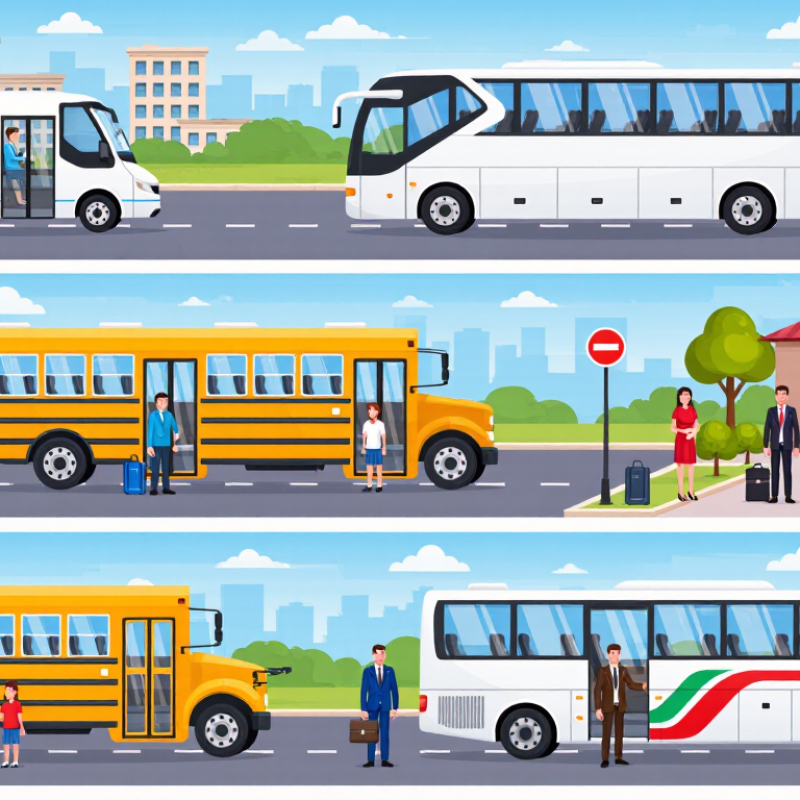
In 2026, charter bus rentals are easiest to compare by trip purpose and service pattern. Corporate groups often need timed transfers between hotels, meeting sites, and airports. School trips typically require organized boarding, accurate headcounts, and space for backpacks. For sports teams, luggage bays matter as much as seats; equipment can affect the vehicle size needed. Small details count.

Wedding parties and sightseeing groups may prefer hourly service, with the bus staying nearby between stops. Commuter and event shuttles usually follow repeated routes on a set schedule. A point-to-point charter suits groups traveling directly to one destination, while multi-day trips need a clear plan for overnight stops and driver hours. These patterns are not interchangeable.

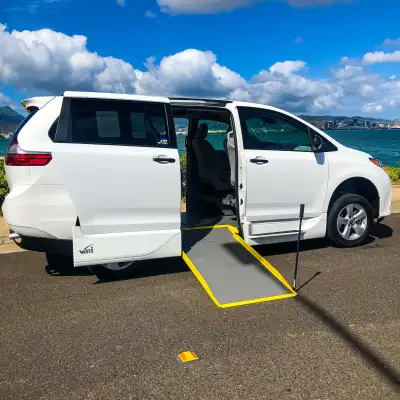
Before booking, match passenger count, luggage, pickup locations, and timing to the service type. Ask how schedule changes are handled and whether accessible boarding is available when needed. A tight itinerary can look efficient on paper, but traffic or late guests may disrupt it. I would leave a little buffer, even if the schedule feels less tidy.

Tour and Sightseeing Coaches: ABA Estimates 600 Million Annual Motorcoach Trips

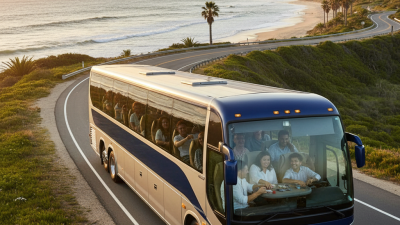
Tour and sightseeing coaches serve a substantial slice of group travel. The American Bus Association (ABA) estimates that motorcoaches carry about 600 million passenger trips annually. That is an industry estimate, not a count of sightseeing trips alone. Still, it shows why coaches remain a practical choice for city tours, heritage routes, and day excursions.

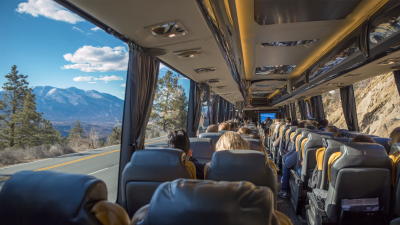
The appeal is easy to picture: visitors settle into reclining seats, watch landmarks pass through wide windows, and leave parking to a professional driver. A coach can keep a school group, tour party, or conference excursion together between several stops. ABA’s motorcoach industry census and related estimates provide useful context, though annual trip totals cannot predict demand for one route or season. That distinction matters.

For operators, sightseeing rentals work best when the itinerary allows time for traffic, boarding, and accessible pickups. A tightly packed schedule can unravel after one delayed stop. Small details count: clear meeting points, luggage plans, and a microphone that works. Not glamorous, but essential. Groups should compare vehicle capacity, onboard amenities, and hours included before booking. A larger coach may suit a long regional tour, while a smaller vehicle can navigate crowded streets more easily. The right fit depends on the route, not just the headcount.

Corporate and Convention Charters: Plan for Group Size and Timetables

Corporate and convention charters work best when the timetable is built around real passenger flows, not a single departure time. The Events Industry Council’s 2023 Global Economic Significance report estimated 1.6 billion business-event participants worldwide in 2019. That scale makes staggered arrivals and clearly marked pickup points practical necessities. Ask for confirmed headcounts, luggage needs, accessible seating, and venue entry times before selecting vehicles. A 40-person coach may suit one department, while several smaller vehicles can serve hotels with different schedules.

For conventions, map each transfer: hotel to venue, venue to dinner, and return trip. Add time for loading, traffic, and badge queues. The Global Business Travel Association reported that worldwide business-travel spending reached $1.03 trillion in 2023; this measures travel spending, not charter-bus demand, but it reflects the scale of business mobility. Share a written timetable with organizers and drivers, including a contact person and a backup pickup location.

Plans still drift. Build a buffer rather than promising perfect timing, especially when sessions end together. One often-missed detail: attendees leaving a large hall may need ten minutes just to reach the curb. Recheck passenger counts shortly before the event, and avoid scheduling every bus for the same narrow departure window.

What Are the Top Charter Bus Rental Types in 2026? — Corporate and Convention Charters: Plan for Group Size and Timetables

Use these typical planning ranges to match a corporate or convention trip with a suitable vehicle and schedule. Actual capacity, availability, and journey times vary by vehicle, location, traffic, and operator.

Charter Type Typical Group Size Common Vehicle Timetable Pattern Best For Planning Consideration
Convention Hotel Shuttle 20–56 passengers per vehicle Minibus or full-size motorcoach Repeated runs every 15–30 minutes during peak arrival and departure periods Moving attendees between hotels, venues, and nearby event locations Allow loading time at each stop and confirm pickup points with venue staff.
Corporate Event Transfer 10–56 passengers Executive minibus or motorcoach One or more scheduled transfers aligned with the event start and finish Company meetings, award events, and client receptions Build in a traffic buffer and share a clear departure time with passengers.
Employee Commuter Shuttle 20–56 passengers per route Minibus or motorcoach Recurring weekday service, often timed around shifts or office hours Connecting transit hubs, parking areas, and workplaces Estimate demand by stop and time period; recurring routes may need more than one vehicle.
Airport Group Transfer 12–56 passengers Minibus or motorcoach with luggage capacity suited to the group Pickup scheduled around flight arrival or departure windows Conference delegations, visiting teams, and corporate travel groups Include flight monitoring, luggage loading time, and a designated meeting point.
Off-Site Meeting or Retreat 15–56 passengers Minibus or motorcoach Typically a coordinated outbound trip and return trip, with optional standby time Team workshops, training days, and multi-day retreats Confirm whether the vehicle is needed between transfers or only at scheduled times.
Executive or Small-Group Charter 6–20 passengers Passenger van or small executive minibus Flexible, itinerary-based scheduling with fewer stops Leadership teams, site visits, and small client groups Check passenger and luggage capacity together, especially for airport itineraries.

School, Sports, and Campus Trips: Match Coach Type to Passenger Needs

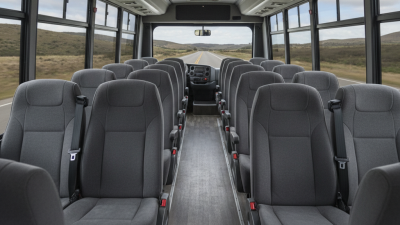
For school trips, choose a coach around the students’ ages, trip length, and supervision plan. A full-size motorcoach can offer seat belts, overhead storage, and a restroom for longer journeys. For a short local outing, a smaller shuttle may be easier to load and maneuver. Check that the seating plan leaves teachers clear sightlines, and confirm any accessibility needs before booking. Small details matter.

Sports teams often need more than seats. Players may carry duffel bags, coolers, and bulky equipment, so ask where everything will fit without blocking aisles or exits. A coach with a spacious luggage bay can keep the cabin less crowded. For away games, consider the return trip too: muddy uniforms and tired athletes can change what feels comfortable. It is easy to focus only on passenger capacity. I have seen that trade-off overlooked.

Campus trips usually involve several stops, changing group sizes, and tight schedules. A mid-size coach can suit a single tour group, while a shuttle may work better for repeated loops between residence halls, parking areas, and event spaces. Ask about boarding height, luggage space, and how the driver will handle campus pickup points. Practice helps. Still, schedules can slip when a group pauses for one more building photo, so leave some breathing room.

What Are the Top Charter Bus Rental Types in 2026?

School, Sports, and Campus Trips: Match Coach Type to Passenger Needs

Choose a school bus for larger school groups, a minibus for smaller campus trips, and a full-size motorcoach for sports teams traveling together. Bars show representative seated capacities; actual seating varies by vehicle configuration and accessibility needs.

Airport, Wedding, and Event Shuttles: Compare Fixed-Route and On-Demand Hire

Airport, wedding, and event shuttles solve different timing problems. At an airport, a fixed-route charter works when flights land within a known window and passengers share a hotel corridor. On-demand hire suits staggered arrivals, delayed bags, or guests needing separate drop-offs. The U.S. Bureau of Transportation Statistics reported about 853 million passengers on U.S. airlines in 2023. That volume makes pickup coordination practical, not optional. Keep a buffer. Flight schedules move.

Wedding transport often works best as timed loops between hotels and the venue. For a reception ending late, on-demand service gives guests more control over departures, though vehicles may sit idle between trips. Event shuttles can use either model: fixed routes suit large groups moving between a station, parking area, and venue; on-demand vans help smaller groups with changing plans. The American Bus Association Foundation’s 2017 Motorcoach Census estimated 637 million U.S. motorcoach passenger trips that year. It is an older benchmark, not a 2026 forecast, but it shows the mode’s established scale. A route plan can look neat on paper and still fail when people linger. Add a realistic loading buffer, then review it with venue staff. This detail is easy to underestimate.