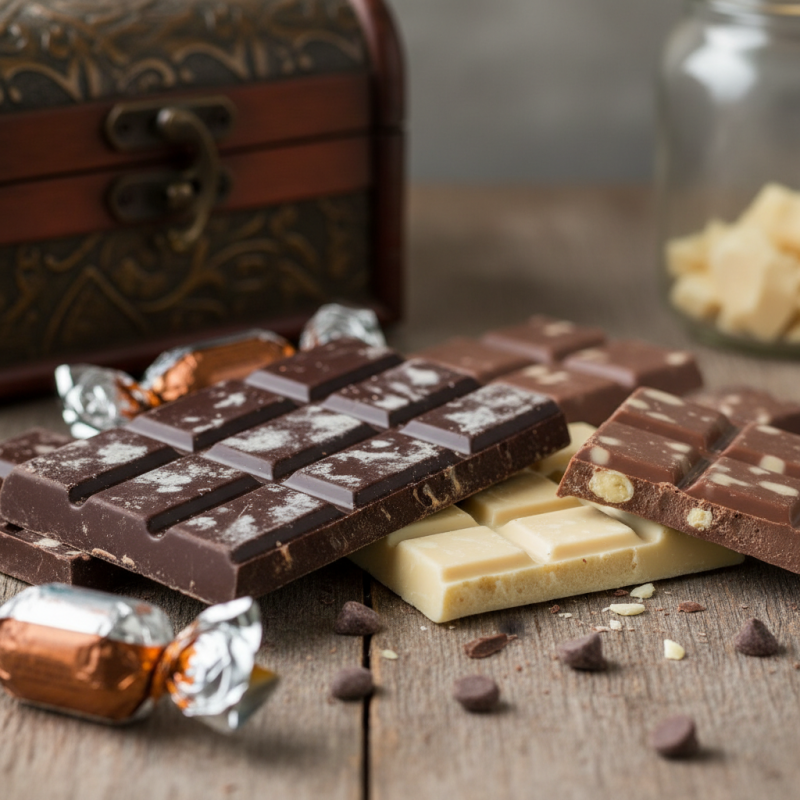
What is the Shelf Life of Chocolate and How to Tell If It Expired?
Chocolate is a beloved treat all around the world. Its rich flavor and comforting texture make it irresistible. However, Chocolate expiration is a concern for many. Knowing how long chocolate lasts can help avoid consuming spoiled products.
Chocolate does not spoil in the same way as perishable items. It can last for months, or even years, if stored properly. The shelf life varies based on type and conditions. Dark chocolate lasts longer than milk or white chocolate. Environmental factors like heat and humidity play a significant role.
To tell if chocolate has expired, look for visual signs. Discoloration, white streaks, or off smells indicate that the chocolate is not fresh. These changes can make you question. Should I eat this? If you’re unsure, trust your senses. Enjoying chocolate at its best is the goal, so understanding chocolate expiration is important for all chocolate lovers.
Understanding Chocolate Shelf Life
Understanding chocolate shelf life is essential for any chocolate lover. Chocolate doesn’t spoil like many foods, but its quality can fade. Dark chocolate typically lasts longer than milk chocolate. In general, dark chocolate can remain good for two years, while milk chocolate has a shelf life of about one year. White chocolate, being higher in dairy, lasts about six to eight months.
When it comes to storage, keep chocolate in a cool, dry place. Avoid humidity and heat, which can cause it to lose flavor. Storing chocolate in an airtight container helps preserve its taste. If you notice a white film, known as bloom, don’t panic. It means the chocolate has changed but is still safe to eat.
Tips: Always check chocolate for a strange smell or off taste. If it doesn’t seem right, it’s best to discard it. Be mindful of the texture; if it feels grainy, reconsider your snack choice. Enjoy chocolate but remember that freshness enhances the experience.
Factors Affecting Chocolate Longevity
When it comes to chocolate longevity, several factors play a significant role. The primary elements include temperature, humidity, and formulation. Research indicates that chocolate stored at stable, cool temperatures can last longer. Ideally, chocolate should be kept between 60°F and 70°F (15°C to 21°C). Fluctuations in temperature can affect its texture and taste.
Humidity also impacts chocolate’s shelf life. High humidity can cause sugar bloom, leading to a gritty texture. In contrast, low humidity may cause the chocolate to dry out and lose flavor. Studies note that artisan chocolates with fewer preservatives tend to have shorter shelf lives than mass-produced varieties. The inclusion of ingredients such as nuts or fruit can shorten the lifespan due to their susceptibility to spoilage.
**Tips:** Always check the expiration date before consuming. Look for changes in color or texture. If the chocolate has a white or dull appearance, it might be sugar bloom, not necessarily spoiled. A taste test is always a good way to check for freshness, but be cautious.
Storing chocolate correctly is crucial. Avoid placing it near strong-smelling items. Chocolate absorbs odors easily. If you notice a different scent or flavor, it’s likely past its prime. Take a moment to consider how long it's been stored. Sometimes, your favorite treat may not be as good after sitting for months.
Chocolate Shelf Life Comparison
Signs of Expired Chocolate
When it comes to chocolate, knowing the signs of expiration is essential. Chocolate has a shelf life of about 1 to 2 years if stored properly, according to industry reports. However, various factors can influence this timeframe. Temperature and humidity play critical roles in chocolate's longevity.
Signs that chocolate has expired can include changes in texture and color. For instance, white spots may form due to a process called "bloom." This occurs when cocoa butter rises to the surface and is a common occurrence in older chocolate. If you notice a powdery texture or grainy consistency, that might indicate the chocolate has gone bad. Additionally, if the chocolate has a rancid smell or strange taste, it’s time to toss it.
Tips: Store your chocolate in a cool, dry place. Keep it wrapped tightly to prevent exposure to moisture. Always check for signs of bloom before consuming. If the taste is off, avoid eating it. Chocolate can be delightful, but it’s vital to stay vigilant about its condition.
Storage Methods for Optimal Freshness
To maintain chocolate’s optimal freshness, proper storage methods are crucial. Chocolate should ideally be stored in a cool, dry place, away from direct sunlight. The temperature should range between 65°F and 70°F. Exposing chocolate to high temperatures can cause it to melt or bloom, leading to changes in texture and flavor. According to a study by the Cocoa Association, stored chocolate can retain its best qualities for up to two years if kept in ideal conditions.
Moreover, humidity can negatively affect chocolate. It’s important to keep chocolate in an airtight container. This prevents moisture accumulation and protects it from absorbing odors from other foods. The National Confectioners Association suggests using opaque containers to block light. Light can degrade chocolate, causing a decline in taste and quality.
Remember, even with the best storage practices, chocolate won't last forever. Signs of spoilage include an off smell or discoloration. While it may still be safe to eat, the flavor may not be as enjoyable. It’s essential to routinely check chocolate, especially if it has been in the pantry for a while. Regularly inspecting your chocolate can help avoid unpleasant surprises when it’s time to indulge.
What to Do with Expired Chocolate?
Expired chocolate doesn’t necessarily mean you need to throw it away. When chocolate passes its expiration date, it might not deliver the same taste or texture. Still, there's often potential for creativity. Use it in baking, like brownies or chocolate cakes. Melt it down and mix with butter for a rich frosting. The flavor may still be good, just different.
If the chocolate has visible signs of aging, check for any strange smells or texture changes. White spots might show bloom, but that’s not harmful. Instead of discarding, consider making hot chocolate. Add spices or cream to enhance the flavor. Another option is to create chocolate sauces for drizzling over desserts. Don't let a date label dictate your enjoyment. Embrace experimentation and find new uses for the chocolate you had planned to waste.
Sometimes, it feels hard to let go of expired items, even chocolate. We might hold onto memories tied to treats. Reflect on wastefulness—can these chocolates still bring pleasure? In rediscovering their potential, you may find that expired chocolate enhances your culinary skills and brings a new, unique experience.
What is the Shelf Life of Chocolate and How to Tell If It Expired? - What to Do with Expired Chocolate?
| Chocolate Type | Shelf Life | Signs of Expiration | What to Do with Expired Chocolate |
| Dark Chocolate | 2 years | White spots (bloom), loss of aroma | Melt down for baking or make hot chocolate |
| Milk Chocolate | 1 year | Altered texture, off smell | Use in recipes or make chocolate chips |
| White Chocolate | 1 year | Fat bloom, change in color | Chop for snacks or desserts |
| Chocolate-covered Products | 6-9 months | Off flavor, separation from covering | Use in baking or as toppings |