

Top 10 Types of Road Bicycles for Every Rider

Choosing a Road Bicycle starts with an honest look at where and how you ride. Smooth weekday roads, steep climbs, long weekend routes, and rough gravel each reward different designs. Some bikes prioritize speed, while others favor comfort, carrying capacity, or easier handling. There is no single best choice. Even a fast bike can feel tiring if its fit or gearing does not suit the rider.

This guide introduces ten common types, including race, endurance, aero, climbing, touring, gravel, cyclocross, time-trial, electric, and beginner-friendly road bikes. The categories are useful, though imperfect; brands sometimes blur their boundaries. An endurance model may accept wider tires, for example, while a gravel bike can feel quick on pavement. Small details matter. Compare frame fit, tire clearance, brake type, gear range, and expected maintenance before deciding. A test ride can reveal whether the reach feels comfortable and whether the bike stays composed on a rough corner. Experienced riders may value lower weight or aerodynamic gains; new riders may prefer stable handling and practical gearing. Neither preference is automatically right. Budget for a helmet, lights, and routine servicing, too. The right type is the one that fits your routes, body, and plans—not just the one that looks quickest in a shop window.
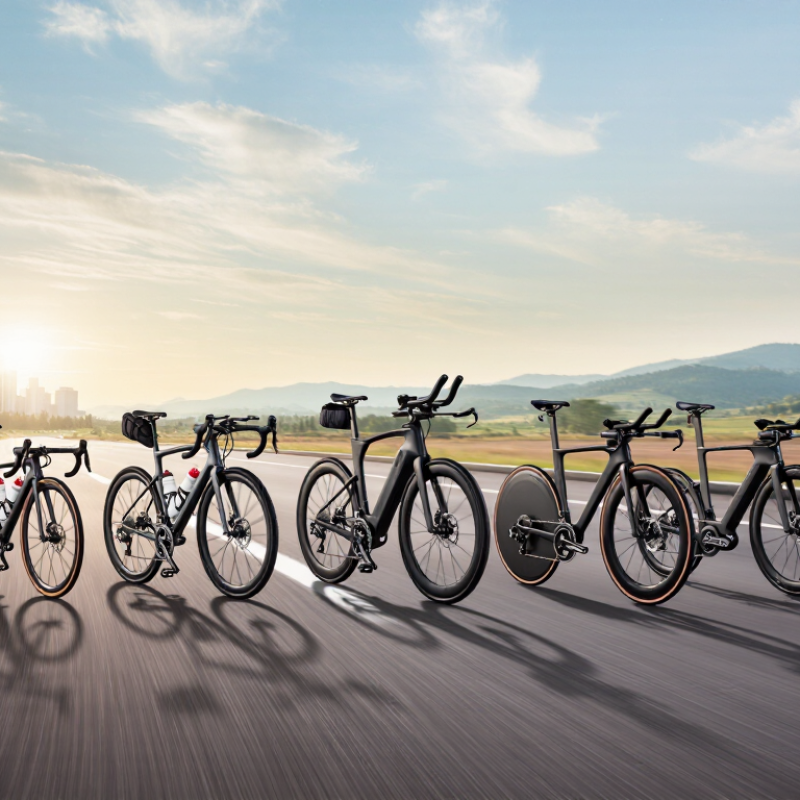
Top 10 Types of Road Bicycles for Every Rider

What Defines a Road Bicycle

A road bicycle is designed for paved surfaces, steady speed, and efficient pedaling. Its familiar features include drop handlebars, a relatively light frame, and tires narrower than those found on most mountain bikes. The dropped bars offer several hand positions, while the forward-leaning posture can reduce wind resistance. It can also feel awkward at first. Fit matters most.

The Union Cycliste Internationale’s Technical Regulations set a minimum weight of 6.8 kilograms for bicycles used in governed road competition (Article 1.3.019). That is a competition rule, not a useful target for every rider. Comfort, durability, and control matter during an everyday ride, too. A heavier setup may suit rough pavement, wider tires, or a small saddlebag better. Numbers do not tell the whole story.

Tire clearance, brake type, gearing, and frame geometry vary across road bicycles. These details shape how a bike feels on cracked asphalt or a steep climb. ISO 4210-2:2023 covers safety requirements for several bicycle categories, including racing bicycles; the standard is a useful reference, not a fit guide. A test ride can reveal practical issues, such as toe overlap or pressure on the hands. Those small discomforts are easy to dismiss, but they may change which bicycle feels right.
Key Features That Distinguish Road Bike Types

Road-bike types differ most in fit, tire clearance, gearing, and how they manage air resistance. Race bikes usually place riders lower, with responsive handling for fast group rides. Endurance models often use a taller front end and a steadier wheelbase. More comfort, less urgency. Those labels are tendencies, not guarantees; frame geometry varies, and a careful fit can matter more than the category name.

Aero models use shaped tubes and integrated parts to reduce drag, while climbing-focused bikes prioritize low mass and responsive acceleration. The UCI’s technical regulations set a 6.8-kilogram minimum for covered competition bicycles, a useful reminder that race rules can limit how light a bike may be. Gravel-oriented road bikes generally add wider tire clearance and lower gearing for loose surfaces. Touring models trade quick handling for stability, stronger wheels, and luggage mounts.

PeopleForBikes’ 2023 U.S. Bicycling Participation Report estimated that 112 million Americans rode a bicycle in 2022. That broad participation figure does not identify a perfect bike for each rider, but it underlines how varied riding needs can be. Check the actual tire clearance, gear range, and mounting points before buying. A bike described as “endurance” may still feel firm on broken pavement. The distinction is useful, but imperfect.

Top 10 Types of Road Bicycles for Every Rider - Key Features That Distinguish Road Bike Types

Road Bike Type Best Suited For Typical Design and Geometry Common Tire Width Key Distinguishing Features Main Trade-Off
Endurance Road Long rides, rough pavement, and comfortable everyday road cycling More upright position and stability-focused geometry than a race bike About 28–35 mm, depending on frame clearance Often has vibration-damping features, disc brakes, and lower gearing options Usually less aerodynamically aggressive than a dedicated race model
Aero Road Fast group rides, racing on flatter courses, and riders prioritizing speed Low, forward riding position with tube shapes designed to reduce aerodynamic drag Commonly about 25–30 mm Streamlined frame and cockpit; some designs integrate cables and components A more demanding position and potentially firmer ride than endurance models
Climbing / Lightweight Road Steep climbs, mountain routes, and riders who value low mass Light frame and responsive handling, often with a conventional road-racing position Commonly about 25–30 mm Weight-conscious frame and component choices; gearing may include easy climbing ratios May offer fewer aerodynamic or comfort-focused features than specialist designs
All-Road Paved roads, broken pavement, and occasional smooth unpaved paths Road-bike-like handling with added tire clearance and a versatile setup Often about 30–40 mm Usually accommodates wider tires than a traditional road-racing frame; mounting options vary Not as specialized for pavement speed or rough, technical gravel as purpose-built bikes
Gravel Gravel roads, dirt tracks, mixed-surface adventures, and bikepacking Stable handling, generous tire clearance, and a position suited to long mixed-terrain rides Commonly about 38–50 mm; clearance varies by frame and wheel size Often has disc brakes, wide-range gearing, and mounts for bags or accessories Wider tires and a stable build can feel slower on smooth pavement than a road-racing bike
Cyclocross Short, intense races on grass, mud, sand, and obstacles Responsive handling and a frame designed for quick changes of direction and shouldering Typically about 30–33 mm for racing; check applicable event rules Knobby tires, mud clearance, and gearing selected for repeated accelerations and varied terrain Race-focused geometry and tire limits may make it less comfortable for long touring rides
Time-Trial (TT) Individual timed events on roads, subject to event rules Forward, aerodynamic position with extensions that support the forearms Often about 25–28 mm Aerobars and an aerodynamic frame; setup is optimized for sustained solo riding Less practical for group rides, frequent braking, and technical handling
Triathlon Triathlon bike legs, where riders aim to maintain an aerodynamic position before running Aerodynamic geometry designed to support an aero position and triathlon-specific fit Often about 25–30 mm Aero extensions and fit options intended to balance aerodynamic posture with race-day comfort Specialized fit and handling can be less suitable for general-purpose cycling
Track Velodrome riding and track racing Fixed-gear drivetrain with geometry suited to riding on a banked track Varies by track and event; commonly around 23–28 mm No freewheel; dedicated velodrome track bikes do not use brakes Not intended for ordinary road use; track rules and safety requirements apply
Touring Multi-day trips, loaded travel, and practical long-distance riding Stable handling under luggage, with a comfortable position and robust construction Often about 28–40 mm, depending on load and surface Commonly includes rack and fender mounts, lower gearing, and space for practical accessories Built for carrying capacity and durability rather than minimum weight or racing speed

Tire-width ranges are typical examples, not universal specifications. Actual fit depends on frame and fork clearance, wheel dimensions, tire casing, and manufacturer guidance.

Ten Types of Road Bicycles and Their Main Uses

Road bicycles serve different purposes, even when they share drop handlebars and narrow tires. A race bike suits fast group rides and events, with sharp handling that can feel demanding on rough streets. An endurance bike favors longer days, using a more upright position and roomier tires to soften broken pavement. An aero bike reduces wind drag on flat, fast roads, though its deeper shapes can feel less convenient in crosswinds. A climbing bike keeps weight low for steep hills, but lightness alone will not make every ride easier.

A time-trial bike is built for solo efforts against the clock, with a stretched position and dedicated armrests. It can be quick, but takes practice to handle confidently. A triathlon bike serves similar speed goals while making it easier to hold an aerodynamic posture over long race distances. Touring bikes carry bags for multi-day trips; sturdy wheels and a relaxed fit matter when the road stretches beyond the day’s first plan. Gravel bikes handle loose tracks and paved connectors, with wider tires for extra grip.

All-road bikes bridge smooth pavement and mild gravel, useful when routes change without warning. Cyclocross bikes are made for short, muddy races, where quick handling and easy carrying help. The labels are not perfect. Fit, tire clearance, and the roads you actually ride may matter more than a category name. A test ride can reveal an uncomfortable detail that a spec sheet misses.

How Road Bike Designs Compare in Performance and Comfort

Road bicycles may share drop handlebars, but their frame geometry and tire clearance change how they perform and feel. A race bike usually places the rider lower and farther forward, helping transfer power and respond quickly through turns. That posture can feel demanding on longer rides, especially if the fit or flexibility is poor. An endurance bike offers a more upright position and often fits wider tires, which can soften rough pavement. The trade-off is a less urgent feel during hard accelerations. Fit matters more than the category name.

Aero bikes use shaped frames to reduce wind resistance, but their riding position may feel firm over broken roads. Lightweight climbing bikes are easier to lift and accelerate uphill, though they are not automatically more comfortable. All-road and gravel-style road bikes accept wider tires, adding grip and cushioning on mixed surfaces. Touring models favor stability and carrying capacity over quick changes of direction. No design wins every ride. A low, fast setup may look appealing, yet feel tiring in your hands or neck after two hours.

Tips: Test a bike on familiar roads, including a rough section and a short climb. Notice pressure in your palms, shoulder tension, and how easily you hold your preferred pace. Small details matter. Ask a qualified fitter to check saddle height and reach before changing parts; comfort often begins there.

Choosing a Road Bicycle for Your Riding Needs

Choosing a road bicycle starts with the roads you actually ride, not the fastest-looking frame. Smooth pavement and group rides may suit a race or aero design, while long days often feel better on an endurance model with a less aggressive position. For rough lanes, wider tires and extra clearance can matter more than a few grams of weight. Gravel-capable road bikes handle mixed surfaces, but may feel slower on clean pavement.

Be honest about your comfort and habits. A low handlebar position can feel exciting for ten minutes, then strain your neck on a longer ride. It happens. Ask a qualified bike fitter or shop professional to check frame size, saddle height, and reach; small adjustments can change how the bike feels. When comparing options, test the brakes, shifting, and low climbing gears on a familiar hill. Notice whether you can look ahead without tensing your shoulders.

Wheel and frame materials affect ride feel, weight, and price, but neither guarantees comfort. Tire width and pressure also influence grip and vibration; follow the tire maker’s pressure range and account for rider weight and road conditions. Consider carrying a repair kit and the water you normally use. I once focused too much on a bike’s specifications and too little on its fit. That was a useful mistake, though not a cheap one.

Top 10 Types of Road Bicycles for Every Rider

Compare how commonly available road-bike styles suit three broad riding situations.

How to read this chart: Scores are a practical, relative guide based on the typical design and intended use of each bicycle type—not standardized test results. A higher score indicates a stronger fit; individual models and setups vary.

Article Source: