What is Metallic Pigment and How is it Used?
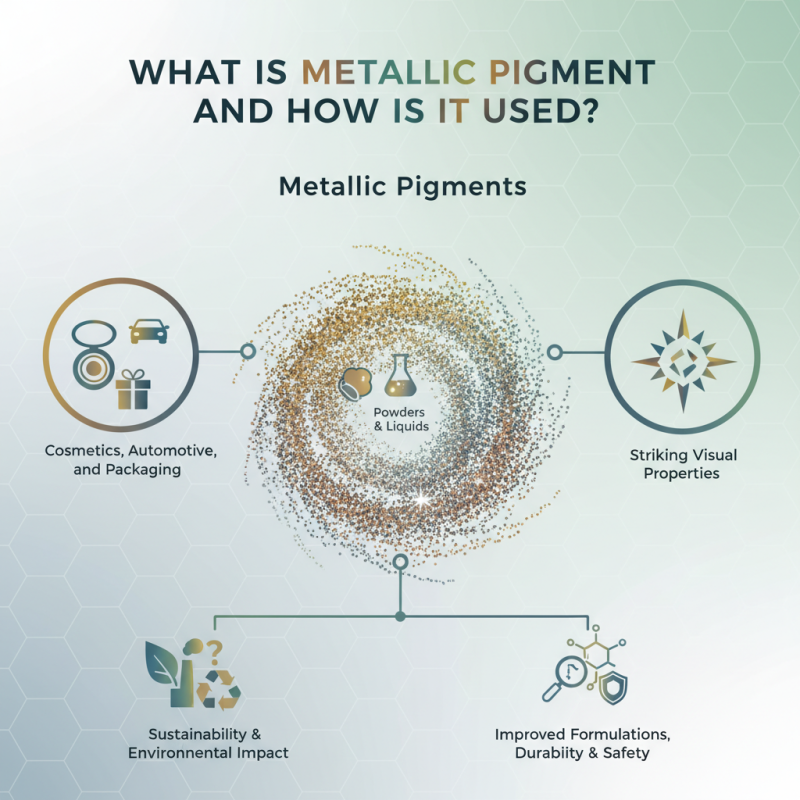
Metallic Pigments are versatile materials that enhance the aesthetic appeal of various products. They create striking visual effects in industries like cosmetics, automotive, and packaging. According to Dr. Lisa Ferns, a leading expert in the metallic pigment industry, "Metallic pigments transform surfaces into eye-catching works of art." This encapsulates their importance in modern applications.
These pigments come in different forms, such as powders and liquids, each offering unique benefits. Their reflective properties make them popular for decorative finishes. However, the industry faces challenges like sustainability and environmental impact. As designers push for more innovative uses, the need for eco-friendly alternatives becomes critical.
While the allure of metallic pigments is undeniable, there is still room for exploration. The quest for improved formulations continues, raising questions about durability and safety. Executives and artists alike must reflect on their choices. The journey of metallic pigments is as complex as it is fascinating.
Definition and Composition of Metallic Pigments
Metallic pigments are finely ground particles that contain metal and produce a reflective quality. These pigments can be made of various metals, including aluminum, bronze, and zinc. Their unique properties allow for a spectrum of colors and effects that mimic the appearance of metals. According to industry reports, the global metallic pigments market was valued at approximately $1.5 billion in 2021 and is projected to grow at a compound annual growth rate of about 5% by 2027.
The composition of metallic pigments often includes a carrier system for application. This carrier can be organic or inorganic, impacting the pigment's gloss, stability, and dispersion. For instance, aluminum pigments are commonly used in automotive and decorative paints for their brilliant shine and weather resistance. However, inconsistent quality and variations in particle size can lead to challenges in achieving uniformity in applications.
Tips: When working with metallic pigments, always test small batches first. This helps to identify any color or application issues. Keep in mind that environmental factors can affect the final appearance of metallic finishes. Therefore, adjusting formulations based on the application method is crucial for optimal results.
Types of Metallic Pigments and Their Characteristics
Metallic pigments are unique materials used to create vibrant colors and effects in various applications. These pigments can be categorized mainly into two types: flake pigments and non-flake pigments. Flake pigments consist of thin metal particles, which give a brilliant reflective quality. Commonly used metals include aluminum, bronze, and copper. Their shape and size affect how light interacts with them, creating different visual effects.
Non-flake pigments, on the other hand, are typically smaller and can create a different visual impact. These pigments often include mica-based options that provide a deep luster. They can be less reflective but offer a smoother appearance for certain finishes. Understanding these characteristics is vital when selecting the right pigment for projects.
In practice, choosing the right type of pigment can be challenging. Sometimes the intended effect may not match the actual result. This trial-and-error process can lead to frustration, but it also offers valuable learning experiences. Experimentation with different pigments and combinations can lead to unexpected creativity.
Metallic Pigments Usage and Types
The chart above illustrates the usage percentage of different types of metallic pigments in various applications. Aluminum is the most utilized, followed by bronze and copper, indicating the diverse applications of metallic pigments in industries such as coatings, plastics, and cosmetics.
Applications of Metallic Pigments in Various Industries
Metallic pigments have become essential in various industries due to their unique properties. These pigments can enhance the visual appeal of products. The automotive industry extensively uses metallic pigments in paint formulations. According to a recent report, nearly 30% of automotive coatings now incorporate metallic pigments. This inclusion improves color depth and provides a luxury finish.
In the cosmetics sector, metallic pigments play a crucial role as well. A survey indicated that around 40% of makeup items, like eyeliners and lipsticks, contain these pigments. They create shimmering effects that consumers love. However, the durability and skin compatibility of some metallic pigments can be a concern. Brands must ensure rigorous testing to prevent skin irritations.
The packaging industry is also exploring the use of metallic pigments. Research shows a rise in demand for metallic finishes in consumer goods packaging. These finishing touches can boost shelf appeal. Yet, the industry faces challenges in sustainability. Many pigments still rely on non-biodegradable materials. The path forward must balance aesthetics with environmental responsibility.
Process of Incorporating Metallic Pigments into Products
Metallic pigments add a distinct shimmer to products across various industries. They are commonly used in cosmetics, automotive finishes, and packaging. Understanding the process of incorporating these pigments is crucial for optimizing their effects.
Incorporating metallic pigments begins with selecting the right type. Factors like particle size and color play a vital role in the final appearance. Many manufacturers prefer pigments that are easy to disperse. Proper dispersion is essential for achieving an even finish. For instance, a report by the Global Pigments Industry indicates that about 40% of pigment-related failures stem from poor incorporation methods.
The blending process often requires specific techniques. Using high-shear mixers or triple roll mills can enhance the distribution of pigments in formulations. Fine-tuning this process can lead to better color stability and decreased settling. However, it’s not without challenges. For example, some pigments may react unpredictably with certain binders or solvents. This unpredictability can lead to a less desirable finish and could require additional testing and adjustment.
Balancing aesthetics and functionality is key, but it may take several iterations to perfect the product.
Benefits and Challenges of Using Metallic Pigments
Metallic pigments have transformed various industries, offering unique aesthetic possibilities. However, they also come with a set of challenges that manufacturers must navigate. According to a market analysis by Grand View Research, the global metallic pigments market was valued at around $1.5 billion in 2022 and is projected to grow significantly. This reflects their increasing use in automotive, coatings, and packaging sectors.
One major benefit of metallic pigments is their ability to enhance visual appeal. They create stunning effects, ranging from shimmering silver to rich metallic greens. These colors can elevate product status and capture consumer attention. Yet, achieving consistency in color and finish can be problematic. Variations in batch production often lead to discrepancies that manufacturers must address. Reports indicate that up to 25% of products may show color inconsistency due to these variations.
Environmental concerns are another significant challenge. Some metallic pigments may contain heavy metals, which pose hazards to both health and the environment. Regulations are becoming stricter, and manufacturers must innovate to produce safer alternatives. This shift often requires additional investment in research and development. As the industry evolves, reflecting on these challenges is crucial to drive sustainable practices and maintain product integrity.
What is Metallic Pigment and How is it Used? - Benefits and Challenges of Using Metallic Pigments
| Aspect | Details |
| Definition | Metallic pigments are fine powdered substances that add metallic luster and sheen to products. |
| Common Uses | Paints, coatings, plastics, inks, cosmetics, and automotive finishes. |
| Benefits | Enhances visual appeal, provides durability, offers UV protection, and improves product performance. |
| Challenges | High cost, potential for settling, difficulty in achieving uniform dispersion. |
| Types | Aluminum, bronze, copper, and stainless steel pigments. |
| Application Methods | Spraying, mixing into formulations, or applying through printing techniques. |
| Environmental Impact | Requires consideration for disposal and potential toxicity depending on type. |