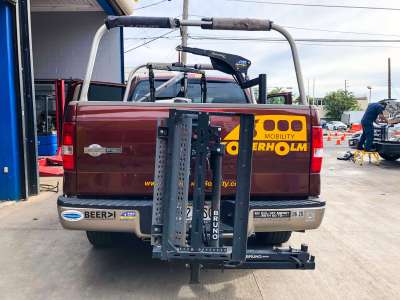
How to Choose the Best Electric Utility Truck for Your Business?
Choosing the right Electric Utility Truck is crucial for any business in the utility sector. These vehicles play a vital role in daily operations. The right truck not only enhances efficiency but also boosts safety. Many businesses face challenges in making this decision.
Each Electric Utility Truck varies in features and capabilities. Understanding the specific needs of your operation is essential. Consider factors such as payload capacity, range, and terrain. These elements can significantly impact your choice.
Investing in the right model requires careful research. Reliability and performance are key indicators of a quality truck. Yet, not all truck brands meet these standards. Take the time to review user feedback and expert recommendations. This process can help you make a well-informed choice. Continuously evaluate your fleet to ensure it aligns with your evolving business needs.
Understanding the Purpose and Requirements of Your Business Needs
When considering the best electric utility truck for your business, understanding your specific needs is critical. Many organizations require trucks for tasks such as maintenance, repair, or infrastructure development. According to a report by the Electric Utility Vehicle Consortium, 75% of utility companies now prioritize electric solutions for their fleet needs. This shift reflects not only cost savings but also the need for sustainability.
Identifying your operational demands should come first. Evaluate the terrains your trucks will navigate. For example, rugged or urban environments require different truck features. Additionally, consider payload capacities. Many industries see average payload needs around 1,500 to 3,000 pounds. Trucks that do not fulfill these specifications could lead to inefficiencies and safety risks.
Another essential aspect is charging infrastructure. A study from the National Renewable Energy Laboratory shows that proper charging solutions enhance vehicle uptime by 30%. It's essential to assess current charging capabilities. This ensures that your fleet operates efficiently without delays. Overlooking this factor could result in increased operational costs and frustrated teams. Thus, thoroughly examining your business's particular needs helps inform better truck selection.
Evaluating Key Specifications of Electric Utility Trucks
Choosing the right electric utility truck for your business involves evaluating critical specifications. Key factors include battery life, range, payload capacity, and charging time. According to recent industry reports, many electric utility trucks now offer ranges between 100 to 300 miles on a full charge. Understanding how these numbers fit into your typical operational routes is essential.
Battery technology plays a significant role in performance. Lithium-ion batteries are prevalent, offering considerable energy density and longevity. However, charging time is another crucial aspect often overlooked. While some trucks can charge in under an hour, others may require several hours. This could impact your operational efficiency.
Moreover, payload capacity varies widely among models. Some electric trucks can haul substantial loads, while others are limited. A 2022 report highlighted that over 70% of businesses experience challenges selecting the right truck due to conflicting specifications. This needs careful consideration. Before making a decision, compare available options thoroughly. Use field tests to assess real-world performance and identify potential shortcomings. Balancing capabilities with cost efficiency can lead to improved outcomes for your business.
Evaluating Key Specifications of Electric Utility Trucks
Comparing Different Electric Utility Truck Models and Brands
Choosing the right electric utility truck involves careful consideration of various models. Different trucks offer unique features that cater to specific business needs. Some emphasize battery life, while others prioritize cargo capacity. Therefore, analyzing specifications is crucial.
Look at energy efficiency and maintenance costs. Some electric trucks require more frequent servicing, which can impact overall expenses. Pay attention to user reviews and expert opinions to understand potential drawbacks. A model may have excellent range but could fall short on performance. Real-world tests often reveal these nuances.
In the comparison, consider vehicle size and maneuverability. Business operations in urban areas may need compact designs. Larger trucks, while capable, can struggle with tight spaces. Finding balance is key. Ultimately, the best choice aligns with your operational needs.
How to Choose the Best Electric Utility Truck for Your Business?
| Model | Max Payload (lbs) | Range (miles) | Charging Time (hrs) | Price ($) |
| Electric Utility Truck A | 3,000 | 150 | 4 | 45,000 |
| Electric Utility Truck B | 2,500 | 120 | 5 | 40,000 |
| Electric Utility Truck C | 3,500 | 180 | 6 | 50,000 |
| Electric Utility Truck D | 4,000 | 200 | 7 | 55,000 |
Considering Budget and Long-Term Cost Implications
Choosing the right electric utility truck involves careful consideration of budget and long-term costs. A recent report from the Electric Vehicle Research Group highlights that electric utility trucks can reduce operational costs by up to 30% compared to traditional diesel models. This figure includes lower fuel expenses and maintenance costs. However, the initial investment might be higher for electric vehicles.
It's crucial to evaluate total cost of ownership (TCO). This means factoring in purchase price, battery life, and charging infrastructure. According to industry experts, batteries typically last 8-15 years, but replacement can be costly. A lithium-ion battery can cost $12,000 to $20,000. Businesses should also consider the cost of installing charging stations, which can range from $2,000 to $50,000.
Understanding your operational needs is vital. Depending on workload, the range of the truck becomes significant. Some electric models can only travel 100 miles on a single charge. If your operations require longer ranges, you might need a more expensive model or multiple trucks. These choices require a balance between upfront expenses and potential savings down the road. Regular analysis of operational data can help identify which model ultimately serves your business best.
Exploring Maintenance and Support Options for Electric Utility Trucks
When considering electric utility trucks, maintenance and support options are crucial. Regular maintenance can significantly extend the life of these vehicles, ensuring they run efficiently. Understanding the specific maintenance requirements is essential for any fleet manager.
Tips: Create a detailed maintenance schedule. Regular inspections are vital. Check battery health and coolant levels frequently. Keeping a log of maintenance activities helps in tracking the lifespan of components.
Support options should be evaluated alongside maintenance. Some manufacturers offer extensive support networks, including training for operators. Access to knowledgeable service technicians can reduce downtime significantly.
Tips: Explore remote diagnostics features. They can alert you to issues before they escalate. Ensure that support services are accessible during emergencies. Understanding warranty details can safeguard your investment.
It's important to remember that the transition to electric utility trucks may involve a learning curve. Some teams might need additional training. There may also be unexpected repairs that can arise. Adopting a proactive approach to maintenance will help mitigate these issues over time.