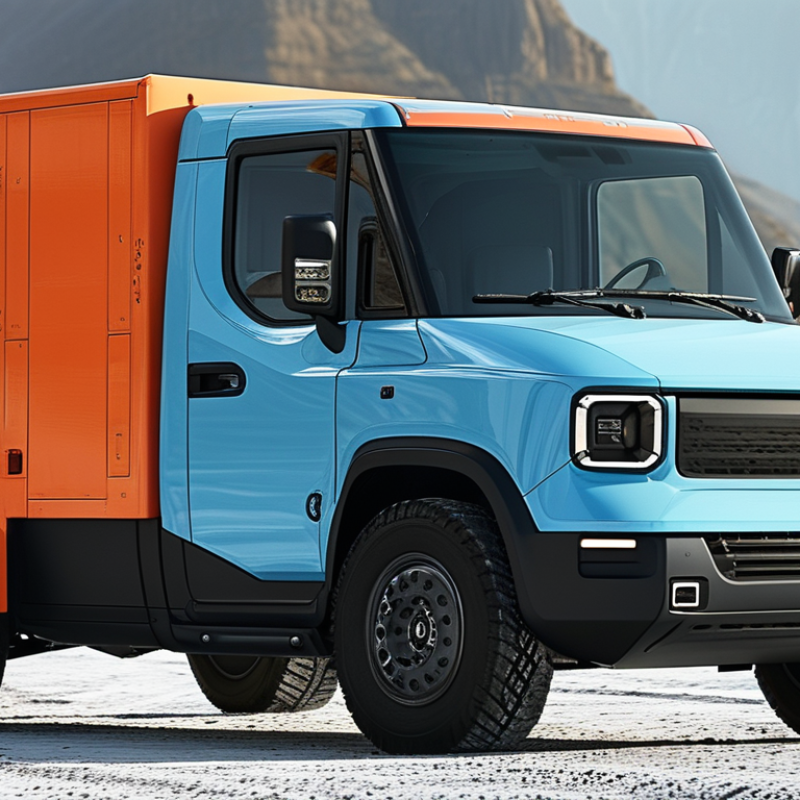
How to Choose the Best Electric Flatbed Truck for Your Needs
Choosing the right Electric Flatbed Truck can significantly impact your operations. With advancements in technology, these vehicles offer unique features that cater to diverse needs. Understanding what to prioritize when selecting one is essential.
Consider the payload capacity. An Electric Flatbed Truck with insufficient capacity could lead to inefficiencies. Think about battery range too. A truck that cannot cover your daily routes may leave you stranded.
However, it’s not just about specifications. Reflect on your specific needs and the environment in which the truck will operate. An electric truck might be perfect for city deliveries but could fall short in rugged terrain. Together, these considerations will guide you in making an informed and effective choice.
Understanding Electric Flatbed Trucks: Market Growth and Trends
The market for electric flatbed trucks is experiencing substantial growth. Many organizations seek to transition to more sustainable transport options. Industry reports suggest that electric fleets reduce emissions significantly. This aligns with global goals for reducing pollution. Companies are investing heavily to innovate and improve battery technology.
Current trends indicate a surge in demand for these trucks in construction and logistics. Electric flatbeds offer advantages in urban areas. They provide quieter operations and lower operating costs. Charging infrastructure is improving, making electric trucks more viable. However, challenges remain. The initial purchase cost can be high, deterring some buyers. Manufacturers are still working on extending battery life and efficiency.
Potential buyers must weigh upfront expenses against long-term savings. Observation of user feedback highlights mixed experiences. Some find performance meets expectations, while others report limitations in range. Users face a learning curve with new technologies. Understanding these insights can guide informed purchasing decisions. With the market evolving rapidly, having the right information is crucial. Choices today will impact organizations for years to come.
Key Specifications to Consider for Electric Flatbed Truck Selection
When selecting an electric flatbed truck, key specifications play a vital role in ensuring it meets your operational needs. Payload capacity is fundamental. According to the Electric Vehicle Adoption Report 2023, most electric flatbed trucks can handle between 2,000 to 3,500 pounds. Determine what you need. This will influence efficiency and performance.
Another critical specification is range. Many electric trucks offer a range of 100 to 200 miles on a single charge. This can limit your operational capabilities, especially in distant deliveries. If your routes exceed this range frequently, finding a solution for charging infrastructure becomes essential. Additionally, charging time varies; some trucks can charge up to 80% in about an hour, while others take longer. Every minute counts in logistics.
Consider payload distribution as well. An uneven load can affect maneuverability and increase wear on the vehicle. It's necessary to conduct regular inspections to ensure even weight distribution. Battery longevity is another concern. Although some models advertise battery life exceeding 1,000 cycles, real-world conditions may lead to shorter lifespans. Understanding these variables can guide you in making informed decisions for your fleet.
Evaluating Load Capacity and Range for Your Specific Needs
When evaluating an electric flatbed truck, load capacity is a crucial factor. The weight your truck can safely handle directly affects its performance. Think about the types of goods you will transport. Heavy machinery or construction materials require higher capacity. If you underestimate this, you risk damaging the vehicle or your cargo.
Range is the next vital component. How far does the truck need to travel? A short-range may suffice for local deliveries. However, longer routes demand a model with a substantial battery life. A vehicle that can't meet your range needs leads to inefficiencies. If you often charge during the day, expect delays.
Tips: Regularly assess your load requirements. This ensures the truck stays aligned with your business needs. Always factor in extra weight for safety. Also, consider terrain and driving conditions, as they impact battery life. Investing time in understanding these aspects can yield better decisions. Don’t be swayed by flashy features; focus on what suits your needs.
Comparing Leading Electric Flatbed Truck Brands and Models
Choosing the right electric flatbed truck can feel overwhelming. With many brands and models available, it is crucial to assess your needs. Look at the payload capacity you require. This will influence your options significantly. Check the range of the truck. It's essential that it meets your daily workload without frequent recharges.
When comparing models, consider the charging infrastructure available. Some trucks may take too long to charge or require specialized equipment. Research user reviews and expert opinions to gain insights into real-world performance. Be mindful of maintenance needs, as these can vary widely among models.
Tips: Always test drive a few options before buying. This will give you a feel for handling and comfort. Evaluate the warranty offered by different manufacturers. A good warranty can provide peace of mind. Don't rush into a purchase. Take your time and reflect on how the truck will serve your needs.
Comparison of Electric Flatbed Truck Performance Metrics
Analyzing Cost of Ownership and Maintenance for Electric Flatbed Trucks
When considering electric flatbed trucks, maintenance and ownership costs play a vital role in your decision. Electric vehicles (EVs) typically have lower operational costs. They require less frequent servicing than traditional trucks. This is largely due to fewer moving parts in their electric drivetrains. However, battery maintenance can be a concern. Battery life often dictates overall performance and replacement costs.
Charging costs also factor into ownership expenses. Home charging setups may require initial investments, depending on your location. Public charging stations may have varying fees, impacting your budget. Understanding local electricity rates is crucial. Battery degradation is an often overlooked issue too. Over time, performance may decline, leading to expensive replacements.
Additionally, certain repairs can be more complex and costly due to specialized components. Though electric trucks are quieter and more environmentally friendly, the initial purchase price can be higher. The long-term savings from reduced fuel and maintenance costs might balance this out. Buyers should do thorough research before making a commitment. Reflecting on these aspects will help you find the right fit for your needs.
How to Choose the Best Electric Flatbed Truck for Your Needs - Analyzing Cost of Ownership and Maintenance for Electric Flatbed Trucks
| Model | Initial Cost ($) | Annual Maintenance Cost ($) | Range (miles) | Payload Capacity (lbs) | Warranty (years) |
| Electric Flatbed Truck A | $80,000 | $1,200 | 150 | 3,000 | 5 |
| Electric Flatbed Truck B | $85,000 | $1,500 | 160 | 3,500 | 6 |
| Electric Flatbed Truck C | 90,000 | $1,750 | 170 | 4,000 | 7 |
| Electric Flatbed Truck D | 75,000 | $1,000 | 140 | 2,800 | 5 |