China Best Rail Transfer Cart for Efficient Logistics Solutions?
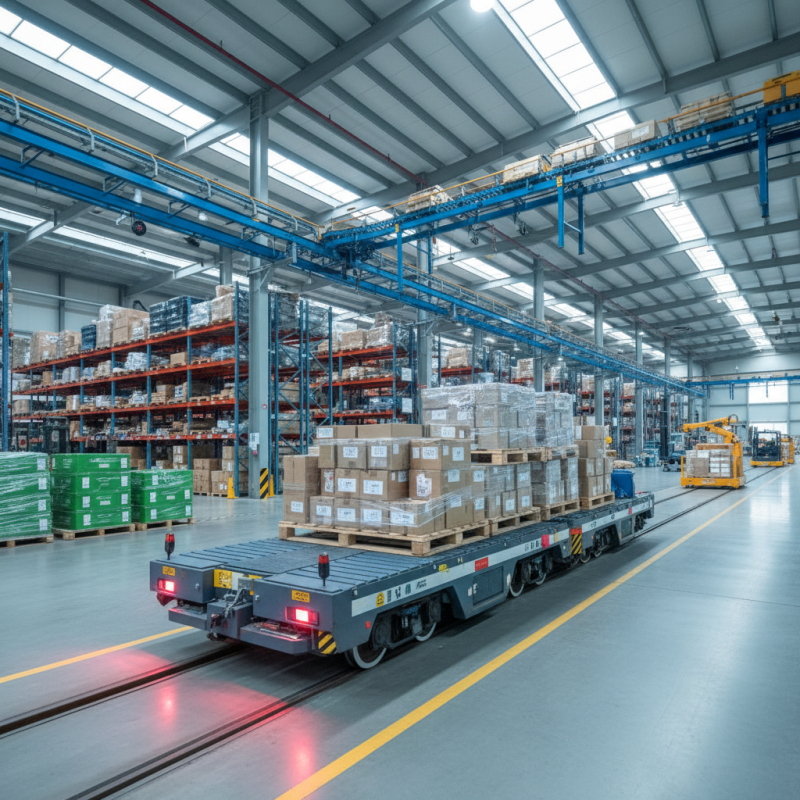
In today's fast-paced logistics environment, efficient transportation solutions are vital. This is where Rail Transfer Carts come into play. These innovative carts enhance the movement of goods within warehouses and production units. They facilitate seamless transfers between different transport modes.
China specializes in manufacturing high-quality Rail Transfer Carts. These carts are designed with both functionality and durability in mind. They can support heavy loads while navigating complex layouts. However, selecting the right model requires careful consideration. Not all options may meet specific operational needs effectively.
The logistics industry is continuously evolving. As businesses face new challenges, adapting transportation methods becomes crucial. Rail Transfer Carts offer a promising solution. They provide a reliable means of enhancing efficiency. But the competitive market constantly offers new technologies that can also lead to confusion. A thorough research process is essential to find the best fit for your logistics operations.
China's Leading Rail Transfer Cart Manufacturers and Their Products
China has established itself as a leader in the rail transfer cart sector. The efficiency of rail logistics is heavily influenced by advanced technologies in transfer carts. According to a recent industry report, the market for rail transfer carts is projected to grow at a CAGR of 5% over the next five years. This growth reflects the rising demand for cost-effective logistics solutions amid expanding industrial activities.
Several manufacturers in China focus on innovative designs and durable materials. They create transfer carts that significantly reduce loading and unloading times. These manufacturers utilize high-quality steel and cutting-edge technology to enhance the performance of their products. In 2022, over 30% of global rail transfer cart demand came from China, underscoring its competitive edge. Yet, challenges remain. Some manufacturers still rely on traditional methods, hindering potential efficiency gains. Addressing these concerns could improve not just production efficiency, but also customer satisfaction.
The applications of rail transfer carts extend to various industries. These include manufacturing, warehousing, and even construction. The versatility of these carts is commendable. Yet, there is a need for better integration with automated systems. Reports indicate that integration challenges can lead to delays in operation. This highlights a critical area for manufacturers to focus on for future developments.
China Best Rail Transfer Cart for Efficient Logistics Solutions
| Model | Load Capacity (tons) | Power Source | Track Type | Applications |
| Electric Rail Transfer Cart | 10 | Battery | Heavy-duty | Factory transport |
| Flameproof Rail Transfer Cart | 15 | AC Power | Standard | Chemical industry |
| Heavy Load Rail Transfer Cart | 30 | Diesel | Heavy-duty | Construction site |
| Automated Guided Rail Cart | 20 | Electric | Magnetic guide track | Warehouse logistics |
| Custom Rail Transfer Cart | 25 | Hybrid | Standard | Custom applications |
Technical Features of Rail Transfer Carts in China's Logistics Industry
Rail transfer carts play a crucial role in China's logistics industry. These carts enhance efficiency and reduce operational delays. They are designed to transport goods swiftly across different stations. The use of railways for logistics minimizes road congestion and decreases overall transportation costs. Rail transfer carts are equipped with advanced technologies, ensuring safe and reliable movement within warehouses.
One of the technical features of these carts is their ability to handle heavy loads. They often come with heavy-duty wheels and durable frames. This design allows for high stability, which is essential when moving bulky items. Additionally, many rail transfer carts offer customizable features, such as adjustable height and built-in safety systems. These innovations cater to specific logistics needs, yet sometimes, they may not perform as intended in every situation.
Moreover, the integration of automated systems is becoming increasingly popular. Automated rail transfer carts can reduce manual labor. However, this shift raises questions about job security and the need to train workers for more complex roles. While technology drives efficiency, it also demands careful consideration of its impact on employment. The balance between innovation and workforce stability remains a challenging topic in this rapidly evolving industry.
Rail Transfer Carts Efficiency in Logistics
Efficiency Metrics: How Rail Transfer Carts Optimize Supply Chains
Rail transfer carts play a pivotal role in streamlining supply chain efficiency. These carts reduce manual handling and optimize load distribution. They move materials smoothly across various sections of a facility. By integrating rail transfer carts into operations, companies can achieve a noticeable reduction in transit times. As a result, workflows become less congested.
Efficiency metrics indicate that such carts can minimize delays. They offer precise navigation within factories or warehouses. However, it’s essential to assess specific logistics needs before implementation. Not every facility may benefit from using rail transfer carts. The weight capacities and layout considerations can vary significantly between industries.
Various factors contribute to optimal logistics solutions. Companies must evaluate their unique challenges. For instance, improper cart selection could lead to operational inefficiencies. Regular analysis of performance metrics is crucial. This ensures the transfer carts align with current supply chain demands. Fine-tuning these operations can further enhance productivity over time.
Cost-Benefit Analysis of Rail Transfer Carts in Industrial Applications
When exploring cost-benefit analysis for rail transfer carts, several factors come into play. These carts enhance logistics by streamlining transport within facilities. Their design is essential for heavy loads and minimizes operational delays. Efficiency often translates into time and cost savings.
Adopting rail transfer carts can lead to measurable productivity gains. However, upfront costs can be substantial. Companies must weigh these expenses against potential long-term benefits. Over time, the reduction in labor costs may justify the initial investment.
**Tip:** Conduct a thorough needs assessment. Understand your specific requirements before purchasing. This ensures the cart aligns with your operational goals.
Maintenance is another factor to consider. Regular upkeep can prevent unexpected breakdowns. Invest in employee training to maximize usage and maintain safety.
**Tip:** Track operational data. Analyzing performance can highlight areas for improvement and support better decision-making.
Lastly, while rail transfer carts offer many advantages, the context of your industry is crucial. Not every facility will benefit equally from these systems. Tailoring solutions to your unique logistics environment can lead to optimal results.
Future Trends of Rail Transfer Carts in China's Logistics Landscape
The logistics landscape in China is evolving rapidly. Rail transfer carts are becoming more crucial for companies seeking efficiency. These carts streamline operations, reduce downtime, and enhance cargo handling. Their design enables smooth movement across various terrains, which supports faster logistics solutions.
As China continues to adopt automation, the role of rail transfer carts will expand. Smart technologies and real-time tracking systems will likely transform how these carts operate. However, challenges remain. The integration of new technologies can be complex, and companies must train staff effectively. Balancing innovation with practicality is essential.
Future trends suggest a shift toward sustainable practices in logistics. Electric-powered rail transfer carts may emerge more prominently. This transition could enhance energy efficiency, aligning with environmental goals. Nevertheless, operators need to assess the lifecycle costs. The adoption of these technologies won't be seamless. Continuous observation and adaptation are necessary for successful implementation.