Best Freight Forwarder from China to Australia?
Choosing the best freight forwarder for a shipment from China to Australia takes more than comparing prices. The route may involve factory pickup, export handling, ocean or air transport, customs documentation, and delivery to your final address. Each step affects timing and cost. A missed carton measurement or unclear delivery term can change a quote.
This guide explores how to assess Freight China To Australia providers with practical questions and clear criteria. It looks at shipping methods, transit estimates, communication, insurance options, and the details included in a written quote. Ask whether charges cover pickup, port handling, destination fees, and final delivery. Check how the forwarder tracks cargo and handles document corrections. Small details matter.
A low quote is not always the best value. Compare the same shipment size, service level, and delivery location before deciding. Request current estimates, and confirm which documents the provider needs for your goods. Requirements can differ by shipment, so verify details with the forwarder and relevant official sources. No checklist removes every uncertainty; delays can still happen. That deserves a pause. A reliable partner should explain risks plainly, answer specific questions, and avoid promising a guaranteed arrival date. The sections ahead offer a grounded way to compare providers and choose a service that fits your shipment, budget, and schedule.
Define the Trade Lane: China–Australia Trade Reached A$312.5B in 2023 (DFAT)
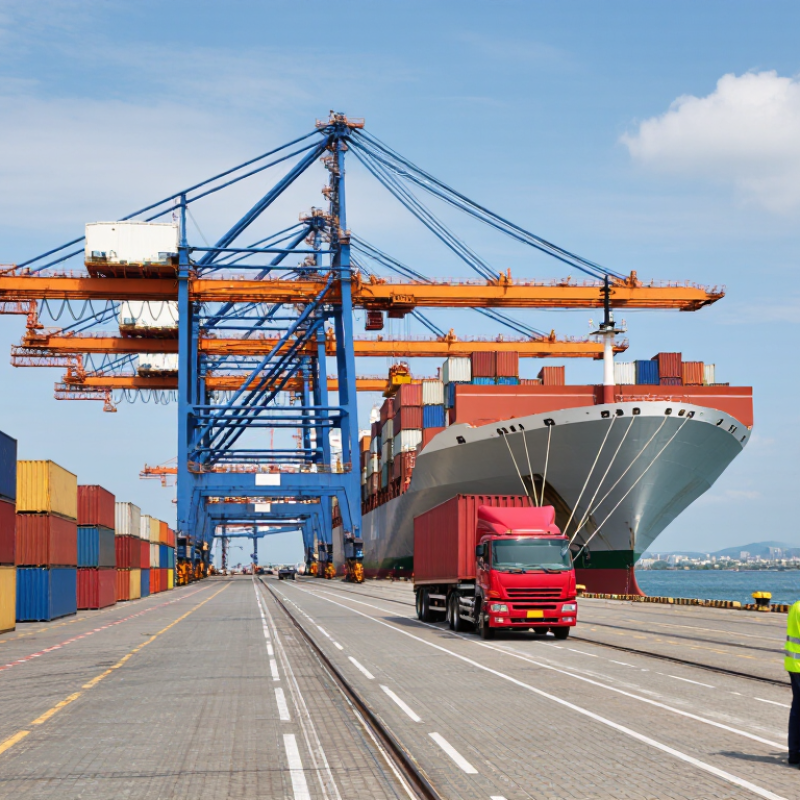
China–Australia is a substantial trade lane, not just a route between two ports. Australia’s Department of Foreign Affairs and Trade reports A$312.5 billion in two-way trade in goods and services in 2023. That figure describes trade value, not freight volume or the amount moving in containers. It is an important distinction when estimating space, transit times, and cost.
UNCTAD’s Review of Maritime Transport 2024 notes that shipping carries over 80% of global trade by volume. For many shipments from China, sea freight is therefore a practical option, but the right service depends on the cargo and delivery point. A cartonised shipment for a Sydney warehouse has different needs from machinery bound for an inland site. Check sailing frequency, port handling, customs documentation, and the final-mile plan—not just the quoted ocean rate.
The headline number can mislead. A$312.5 billion does not guarantee steady capacity or predictable transit times on every sailing. Delays can occur, and a low quote may exclude local charges. Not glamorous, but important. Before choosing a freight forwarder, request a written breakdown of origin fees, destination charges, and estimated door-to-door timing. Ask how schedule changes are communicated, too. The best fit is the provider that explains its assumptions clearly, even when the answer is less convenient.
Compare Air and Sea Freight Using IATA Chargeable-Weight Rules
Choosing a freight forwarder from China to Australia starts with understanding what each mode actually charges. Air freight uses chargeable weight, the higher of gross weight and volumetric weight. A common IATA calculation divides length × width × height in centimetres by 6,000. For example, a 60 × 40 × 40 cm carton has a volume weight of 16 kg. If it weighs 12 kg on a scale, the airline will generally charge for 16 kg, subject to its tariff. Small, dense cartons can therefore compare well by air; bulky, light cartons often cannot. IATA reported that global air cargo demand rose 11.3% in 2024, measured in cargo tonne-kilometres. Capacity rose too, so that demand figure alone cannot predict a route’s price.
Sea LCL freight is commonly rated by revenue tonne, comparing cubic metres with metric tonnes and charging the larger figure. That makes the example carton’s 0.096 cubic metres more relevant than its 0.012-tonne gross weight, though minimums and local fees can change the invoice. UNCTAD’s Review of Maritime Transport 2024 reported 2.4% growth in maritime trade during 2023. This is useful context, not a delivery promise. Actual quotes depend on the sailing, handling charges, and shipment dimensions after packing. Real quotes can still surprise. Ask for both modes to show chargeable weight, volume, and origin and destination fees separately; otherwise, a low headline rate may hide the cost that matters.
Estimate Landed Costs: Australia Applies 10% GST to Most Taxable Imports (ATO)
A freight quote is only one part of the landed cost from China to Australia. Australia applies 10% GST to most taxable imports, but the amount and collection point depend on the goods and shipment. For many consignments valued above AUD1,000, GST is assessed at import. For eligible low-value goods, it may be collected at checkout instead. Check the current Australian Taxation Office guidance for your transaction.
Import GST is generally calculated using more than the product price. Customs value, applicable duty, and international transport and insurance costs can affect the taxable importation value. Ask your forwarder to show freight, insurance, customs clearance, estimated duty, and GST as separate line items. A vague “door-to-door” price can hide important assumptions.
Share accurate product descriptions, values, and packing details before requesting an estimate. These details help the forwarder assess classification and likely charges, though they do not guarantee the final bill. Even careful estimates can miss small costs. That is worth checking. Ask who prepares the import declaration, what local delivery includes, and whether GST is payable on arrival or has already been collected. If your business is GST-registered, ask your tax adviser whether the import may qualify for an input tax credit.
Check Customs and Biosecurity Requirements Through Australia's BICON
When choosing a freight forwarder from China to Australia, ask how they handle biosecurity checks, not just schedules and rates. Australia’s BICON system lists import conditions for many goods. Requirements can depend on the item, its country of origin, how it was processed, and its intended use. A product description that sounds clear to a seller may not be precise enough for an import assessment.
Check the relevant BICON conditions before cargo is packed or booked. Read the details for required documents, treatments, permits, and packaging, where applicable. Customs procedures and biosecurity requirements are related, but they are not the same check. A forwarder can help coordinate paperwork and flag questions; they cannot replace accurate product details or official guidance. Rules may change, so confirm the current conditions close to shipping.
It is easy to assume a familiar product is straightforward. That assumption deserves a second look.
Tips: Send your forwarder the exact product name, materials, processing details, and origin. Keep screenshots or notes of the BICON conditions you checked. If a requirement is unclear, ask for clarification before dispatch—not when the shipment is waiting at the border.