What Is the Best 16 Passenger Bus Rental in China?
Choosing the best 16 Passenger Bus Rental in China requires more than comparing daily prices. Fleet condition, driver experience, insurance coverage, and route planning matter equally. A polished website proves very little.
China’s Ministry of Culture and Tourism reported 4.89 billion domestic trips in 2023. That recovery increased demand for practical group transportation across cities, airports, factories, schools, and scenic areas. Mordor Intelligence also identifies Asia-Pacific as a major growth region for the bus and coach market, supported by urban development and organized travel.
The vehicle should feel dependable before it feels luxurious. Check the seat layout, luggage capacity, air-conditioning performance, charging ports, and emergency equipment. Ask for maintenance records. Better still, inspect the bus before payment.
UITP Secretary General Mohamed Mezghani has said, “Public transport is the backbone of urban mobility.” His observation also applies to private group rentals, where one vehicle can simplify a complicated itinerary. A 16 Passenger Bus Rental can reduce transfers, waiting time, and coordination problems, especially when travelers carry suitcases or equipment.
However, “best” is not universal. A business group may prioritize punctuality and Wi-Fi. A family may prefer softer seats and flexible stops. Some operators advertise low prices, but exclude tolls, parking, fuel, or overtime. That detail can change the final cost sharply.
This guide compares China’s rental options through an E-E-A-T lens: practical experience, technical knowledge, transparent evidence, and supplier credibility. The process is not perfect. Online reviews can be incomplete, and published fleet information may age quickly. Careful questions remain essential.
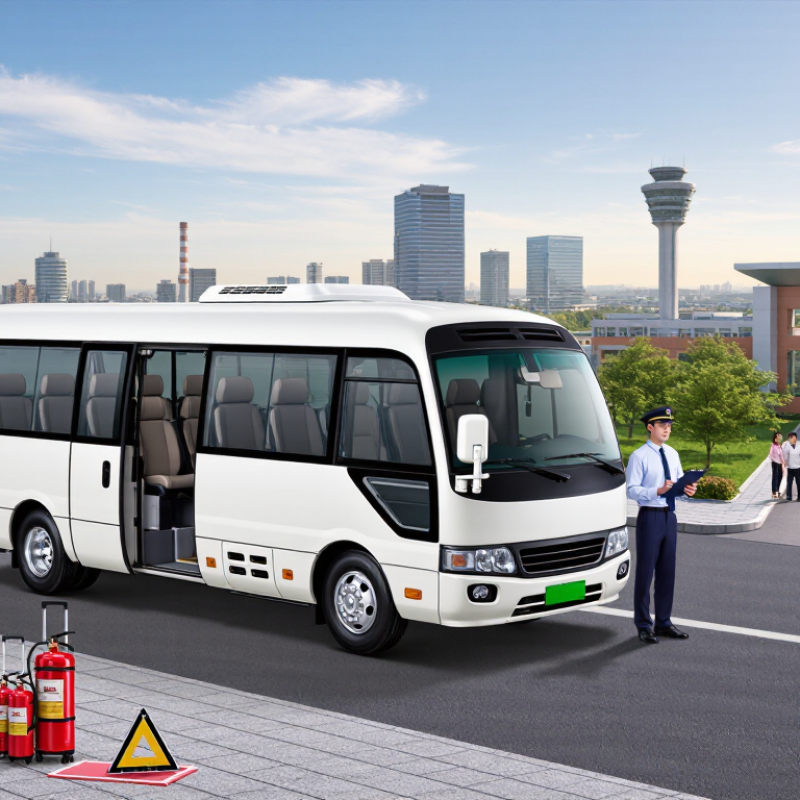
What Defines a 16-Passenger Bus Rental in China?
A 16-passenger bus rental in China is defined by usable capacity, not a sales label. The vehicle should provide 16 passenger seats, with safe space for a driver, luggage, and emergency movement. A practical layout usually includes two-by-two seating, overhead storage, air conditioning, seat belts, and a clear aisle. A 16-seat label can mislead. Some vehicles count the front passenger seat, while others describe maximum capacity.
China Association of Automobile Manufacturers reported 4.031 million commercial vehicles sold in 2023, an increase of 22.1%. This wider supply supports more rental choices, but vehicle age still matters. A reliable rental check should review maintenance records, tire condition, brake inspections, insurance, and the driver’s commercial qualification. Ask for the exact seat map. Do not rely on photographs alone.
Domestic travel also creates strong group-transport demand. The China Tourism Research Institute recorded 5.615 billion domestic tourist trips in 2024. For airport transfers, factory visits, school activities, or short tours, route planning is equally important. A compact 16-passenger bus may fit narrow streets better than a larger coach. Yet luggage can quickly reduce comfort. One suitcase per passenger is not always realistic. I would measure the storage compartment before booking, especially for winter clothing or equipment. Published specifications can be incomplete, and that deserves a second check.
Which Chinese Cities Offer the Best 16-Passenger Bus Rentals?
Beijing, Shanghai, Guangzhou, and Shenzhen offer some of China’s strongest choices for 16-passenger bus rentals. Beijing suits museum visits, conference transfers, and airport pickups. Its major roads are practical for larger vehicles, but traffic near the Forbidden City can be slow. Shanghai works well for business groups staying around Pudong or Hongqiao. Check the vehicle’s height before entering underground hotel parking.
Guangzhou and Shenzhen are useful for factory visits, exhibitions, and trips between nearby business districts. Their rental services often provide experienced local drivers who understand crowded commercial areas. Chengdu is a better fit for relaxed group travel, including visits to suburban attractions. However, mountain routes may require a vehicle with stronger air conditioning and comfortable suspension. Xi’an can serve historical tours efficiently, especially when the itinerary includes the city wall and airport.
A reliable booking request should state the exact passenger count, luggage volume, travel dates, and daily mileage. Confirm whether “16-passenger” includes the driver. It sometimes does. Ask about seat belts, insurance coverage, maintenance records, and emergency support. For international travelers, a driver who can communicate clearly is valuable. Mandarin translation support may be necessary outside major hotel districts. Prices can rise during holidays, trade fairs, and school breaks. My practical concern is often overlooked: sixteen people with hard-shell luggage may feel cramped, even when the seating number appears correct. A short interior inspection can prevent an uncomfortable mistake.
How to Compare Vehicles, Services, and Rental Prices
Choosing the best 16-passenger bus rental in China requires more than comparing the lowest quote. The Ministry of Culture and Tourism reported 5.615 billion domestic trips in 2024, creating strong demand for reliable group transport. That demand can also mean limited availability during holidays.
Compare the vehicles in person when possible. Check seat width, legroom, luggage capacity, air conditioning, charging ports, and step height. A full bus with small luggage space becomes uncomfortable quickly. Confirm the vehicle’s manufacturing year and maintenance records. Ask whether every passenger has a working seat belt. The vehicle should also meet China’s GB 7258 road safety requirements. Small details matter.
Compare services line by line. Does the price include a trained driver, fuel, tolls, parking, insurance, and overtime? Request a written rate based on daily hours, mileage, and extra stops. Some quotes look cheap because these costs appear later. Not ideal. Professional operators should explain cancellation terms and provide emergency support in clear English or Chinese. Driver experience matters in crowded city centers and narrow scenic roads. I have found that a slightly higher quote can reduce delays, but this is not always true. Check recent customer records, licenses, vehicle photos, and the contract before paying a deposit.
What Documents and Booking Steps Are Required?
For a 16-passenger bus rental in China, prepare passenger identification before requesting a quote. Chinese travelers usually provide an ID card number. International travelers should provide passport names, arrival details, and a reachable phone number. The rental company may also request the pickup address, destination, travel date, departure time, luggage quantity, and expected driving hours.
Ask for the operator’s road passenger transport qualification and the vehicle’s road transport certificate. Request the driver’s name, license category, and emergency contact. China’s Ministry of Transport reported about 4.57 billion commercial road passenger trips in 2023. That scale makes document verification important, not decorative. Insurance details should appear in writing. Keep it specific.
A reliable booking process starts with a written quotation. It should identify the 16-seat vehicle, route, service hours, tolls, parking fees, taxes, overtime rates, and cancellation terms. Then compare the quotation with the final service contract. Confirm whether the quoted price covers airport waiting time and nighttime pickup. It often does not. Send the passenger list only through a secure channel, and check every spelling against the passport. After payment, request a booking confirmation showing the vehicle plate number, driver contact, meeting point, and emergency procedure. A rushed confirmation can still fail, even when the price looks attractive. According to ISO 39001 road-traffic safety principles, clear responsibilities and documented controls support safer transport decisions.